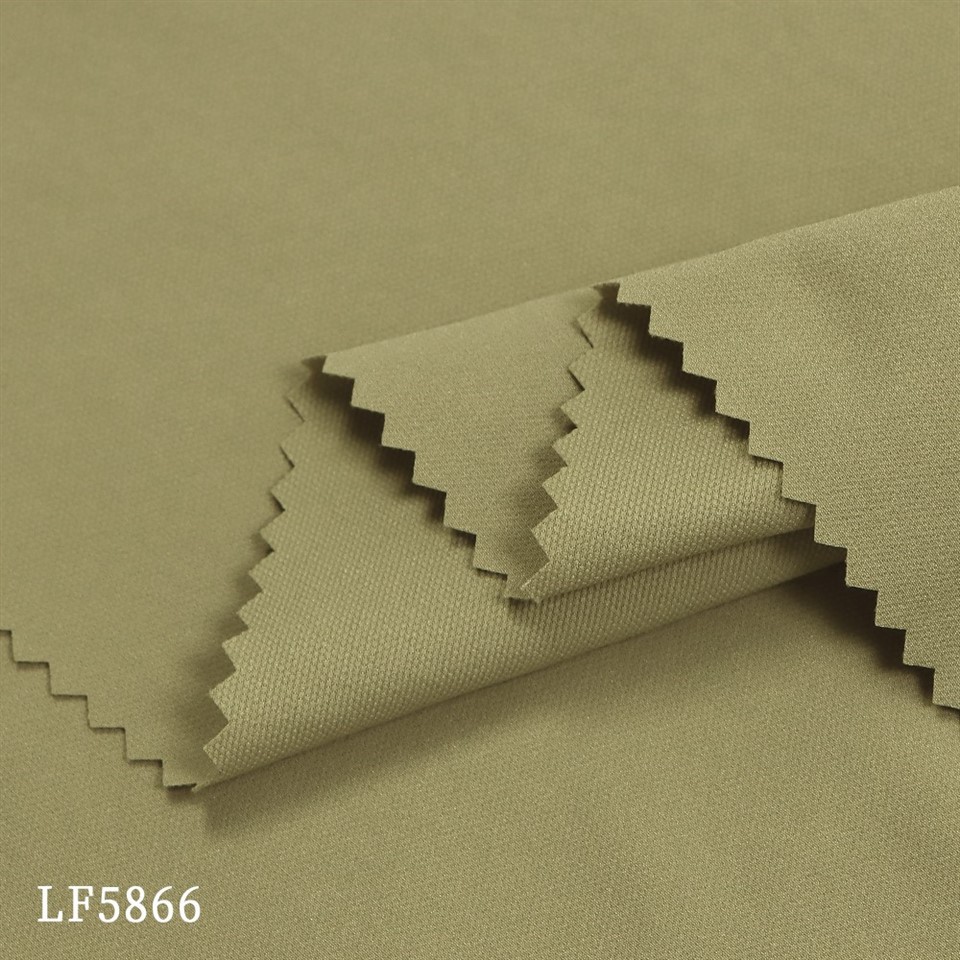
As a supplier of twill woven fabric, I often get asked about the environmental benefits of the products we offer. In this blog, I’ll delve into the various aspects of twill woven fabric and explore whether it has any positive impacts on the environment. Twill Woven Fabric
Raw Material Sourcing
One of the key factors in determining the environmental friendliness of a fabric is the sourcing of its raw materials. Twill woven fabric can be made from a variety of materials, including natural fibers like cotton, linen, and wool, as well as synthetic fibers such as polyester and nylon.
Natural Fibers
Cotton is one of the most common materials used in twill woven fabric. When sourced from sustainable farms, cotton can have a relatively low environmental impact. Sustainable cotton farming practices include reducing the use of pesticides and synthetic fertilizers, conserving water, and promoting biodiversity. For example, organic cotton is grown without the use of harmful chemicals, which not only benefits the environment but also the health of farmers and consumers.
Linen, made from the fibers of the flax plant, is another natural option. Flax requires less water and fewer pesticides compared to cotton, making it a more environmentally friendly choice. Additionally, flax plants can be grown in a variety of climates, reducing the need for long – distance transportation of raw materials.
Wool, obtained from sheep, is a renewable resource. When sourced from well – managed farms, wool production can be sustainable. Sheep grazing can help maintain grasslands, which are important for carbon sequestration. Moreover, wool is biodegradable, meaning it will break down naturally over time without leaving harmful residues in the environment.
Synthetic Fibers
Synthetic fibers like polyester and nylon are derived from petrochemicals. While they have certain advantages such as durability and resistance to wrinkles, their production has a significant environmental impact. The extraction and processing of petrochemicals are energy – intensive and contribute to greenhouse gas emissions. Additionally, synthetic fibers are not biodegradable, which means they can persist in the environment for hundreds of years. However, some advancements have been made in the production of recycled synthetic fibers. Recycled polyester, for example, is made from post – consumer plastic bottles, reducing the amount of plastic waste in landfills and the demand for new petrochemicals.
Manufacturing Process
The manufacturing process of twill woven fabric also plays a crucial role in its environmental impact.
Energy Consumption
Traditional textile manufacturing processes are often energy – intensive. However, many modern textile mills are adopting energy – efficient technologies to reduce their energy consumption. For example, the use of advanced looms that require less power to operate can significantly lower the energy footprint of twill fabric production. Additionally, some mills are turning to renewable energy sources such as solar and wind power to meet their energy needs.
Water Usage
Textile manufacturing typically involves a large amount of water, especially in the dyeing and finishing processes. However, innovative water – saving technologies are being developed to reduce water consumption. For instance, some mills are using closed – loop water systems, which recycle and reuse water throughout the production process. This not only reduces the amount of fresh water needed but also minimizes the discharge of polluted water into the environment.
Chemical Usage
The use of chemicals in textile manufacturing can have a negative impact on the environment. Dyes, bleaches, and other finishing agents can contain harmful substances that can contaminate water sources and harm aquatic life. To address this issue, many textile manufacturers are now using eco – friendly dyes and chemicals. These substances are less toxic and biodegradable, reducing their environmental impact.
Durability and Longevity
One of the significant environmental benefits of twill woven fabric is its durability. Twill weave is known for its strength and resistance to wear and tear. This means that products made from twill fabric tend to last longer compared to those made from other types of fabrics.
When a fabric is durable, it reduces the need for frequent replacement. This, in turn, reduces the overall demand for new fabric production, which has a positive impact on the environment. For example, a pair of twill – woven jeans can last for several years with proper care, compared to a pair of less durable jeans that may need to be replaced more frequently.
Recycling and Upcycling
Twill woven fabric can be recycled and upcycled, further reducing its environmental impact.
Recycling
Cotton twill fabric can be recycled into new fibers, which can then be used to make new fabric. This process helps to reduce the amount of textile waste that ends up in landfills. Additionally, some recycled twill fabric can be used in the production of non – textile products such as insulation materials.
Upcycling
Upcycling involves transforming old or unwanted twill fabric into new and useful products. For example, old twill shirts can be turned into tote bags, or twill scraps can be used to make patchwork quilts. Upcycling not only reduces waste but also adds value to the fabric.
Conclusion
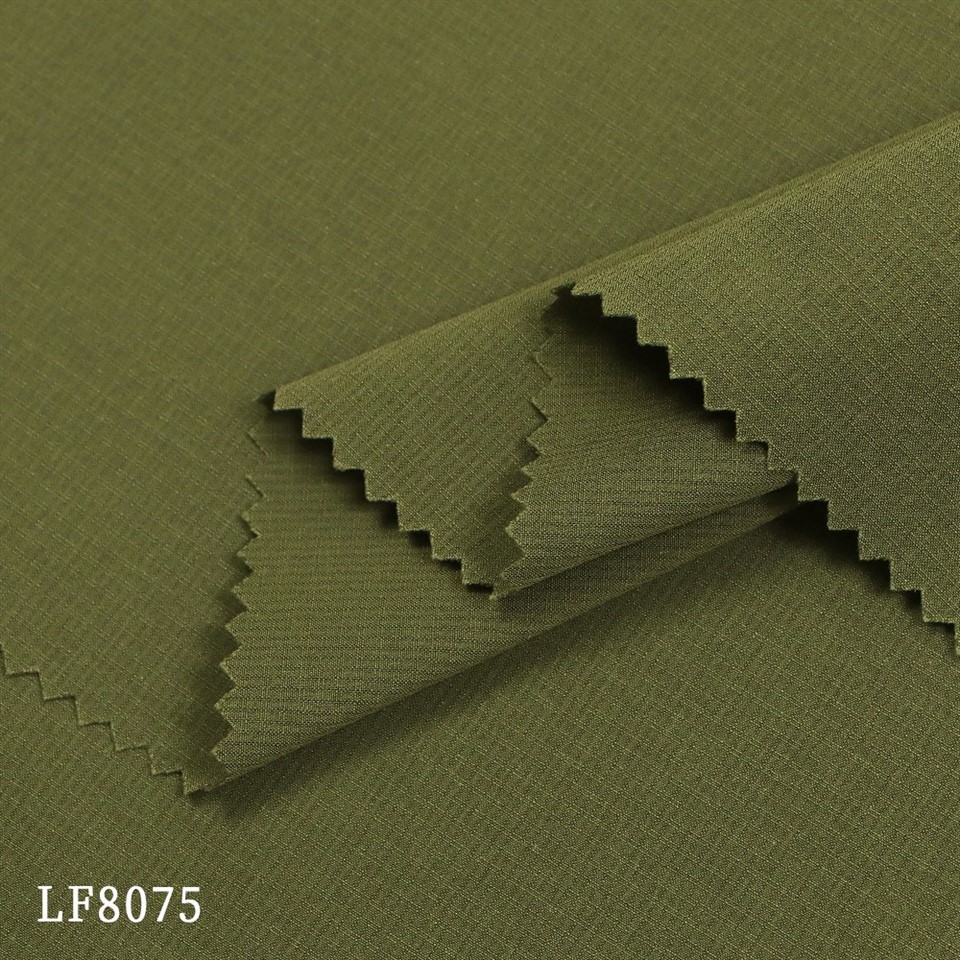
In conclusion, twill woven fabric can have several environmental benefits, especially when made from sustainable raw materials and produced using eco – friendly manufacturing processes. The durability of twill fabric reduces the need for frequent replacement, and its recyclability and upcyclability help to minimize waste.
3 3 Twill Weave If you’re interested in learning more about our twill woven fabric products or have any questions regarding their environmental impact, I encourage you to reach out to us. We’re always happy to discuss our products and how they can meet your needs while also being kind to the environment. Whether you’re a fashion brand looking for high – quality fabric or a manufacturer in need of reliable materials, we’re here to assist you. Let’s work together to make more sustainable choices in the textile industry.
References
- “Sustainable Cotton Production: A Review of Global Initiatives.” Journal of Cleaner Production.
- “The Environmental Impact of Textile Manufacturing.” Textile Research Journal.
- “Recycling and Upcycling of Textiles: A Comprehensive Review.” Resources, Conservation and Recycling.
Shaoxing Huichao Textile Co., Ltd.
As one of the most professional twill woven fabric manufacturers and suppliers in China, we offer a wide range of products with superior quality. We warmly welcome you to wholesale bulk twill woven fabric in stock here from our factory. If you have any enquiry about cooperation, please feel free to email us.
Address: Shenyue International Build ing, Unit 1603-1605, Keqiao District, Shaoxing City, Zhejiang Province, China
E-mail: darrenzhong@huichaotextile.com
WebSite: https://www.huichaotextile.com/
