Oxygen is a fundamental element in our environment, and its impact on various materials is both profound and complex. In the context of the rubber industry, understanding the effects of oxygen on rubber quality is crucial. As an oxygen supplier deeply involved in this field, I’ve witnessed firsthand how oxygen can significantly influence rubber products, from their manufacturing process to their long – term performance. Oxygen

Oxidation of Rubber
The most significant interaction between oxygen and rubber is oxidation. Rubber is a polymer, and when it comes into contact with oxygen, a series of chemical reactions occur. Molecular oxygen can react with the carbon – carbon double bonds present in the rubber polymer chains. These double bonds are relatively reactive, and oxygen molecules can break them, leading to the formation of free radicals.
The free radicals are highly reactive species. They can react with other rubber molecules, causing cross – linking and chain scission. Cross – linking is the process where different polymer chains are connected to each other. In the initial stages of oxidation, a small amount of cross – linking can actually increase the hardness and stiffness of the rubber. This might seem beneficial in some cases, such as when you need a rubber product to maintain a certain shape. However, excessive cross – linking can make the rubber brittle and less flexible.
Chain scission, on the other hand, is the breaking of the polymer chains. This leads to a reduction in the molecular weight of the rubber. As a result, the rubber loses its strength, elasticity, and durability. For example, in rubber seals, chain scission can cause leaks because the rubber can no longer maintain its integrity and form a proper seal.
Impact on Physical Properties
Hardness and Stiffness
As mentioned earlier, oxidation – induced cross – linking can increase the hardness of rubber. When rubber is exposed to oxygen over time, it gradually becomes stiffer. This can be a problem in applications where flexibility is required. For instance, in automotive tires, a stiffer rubber compound may lead to a harsher ride and reduced traction. In the rubber gaskets used in household appliances, increased hardness can prevent the gasket from properly sealing, leading to potential leaks.
Elasticity
Elasticity is one of the most important properties of rubber. It allows the material to deform under stress and return to its original shape when the stress is removed. Oxidation significantly reduces the elasticity of rubber. The free radicals and chain scission break the long – chain polymer structure that is responsible for rubber’s elastic behavior. This means that rubber products will not be able to stretch and retract as effectively. In a rubber band, for example, an oxidized rubber band will not stretch as far and may break easily.
Tensile Strength
Tensile strength is the maximum amount of tension a material can withstand before breaking. Oxygen exposure weakens the rubber’s molecular structure, leading to a decrease in tensile strength. In industrial rubber products like conveyor belts, a reduction in tensile strength can result in premature failure of the belt, causing disruptions in the production process.
Influence on Chemical Resistance
Rubber is often used in applications where it needs to resist the action of various chemicals. However, oxidation can alter the chemical resistance of rubber. Oxidized rubber has a different surface chemistry compared to fresh rubber. The oxidized layer is more polar and may be more susceptible to attack by certain chemicals.
For example, in a chemical processing plant, rubber linings are used to protect pipes and tanks from corrosive chemicals. If the rubber lining is oxidized, it may not be able to withstand the corrosive effects of the chemicals as effectively. Some solvents that would normally have little impact on fresh rubber may be able to dissolve or swell the oxidized rubber, leading to damage and leakage.
Role in Aging and Weathering
Oxygen is one of the main factors contributing to the aging and weathering of rubber. In outdoor applications, rubber products are constantly exposed to oxygen in the air, along with other environmental factors such as sunlight, heat, and moisture. These combined factors accelerate the oxidation process.
Sunlight, especially ultraviolet (UV) radiation, can break the chemical bonds in rubber and generate more free radicals, which then react with oxygen to speed up oxidation. Heat also increases the rate of chemical reactions, so in hot climates, the oxidative aging of rubber occurs more rapidly. Moisture can promote the formation of reactive oxygen species such as hydrogen peroxide, which can further damage the rubber.
Over time, these environmental factors cause the rubber to crack, fade, and lose its mechanical properties. A rubber roofing material, for example, may develop cracks due to oxidative aging, allowing water to penetrate and cause damage to the building structure.
Mitigating the Effects of Oxygen on Rubber
As an oxygen supplier, I recognize that while oxygen is a natural and necessary part of our environment, its negative effects on rubber can be mitigated.
Antioxidants
One of the most common ways to protect rubber from oxidation is by adding antioxidants. Antioxidants are chemicals that can react with free radicals and prevent them from further reacting with the rubber polymer chains. There are different types of antioxidants, such as phenolics, amines, and phosphites. These antioxidants work by donating hydrogen atoms to the free radicals, thereby stabilizing them and stopping the oxidation process.
In the rubber manufacturing process, antioxidants are added in small amounts. For example, in the production of car tires, antioxidants are incorporated to extend the tire’s lifespan and maintain its performance.
Barrier Coatings
Another method is to apply barrier coatings to the rubber surface. These coatings act as a physical barrier between the rubber and oxygen. They can be made of polymers, waxes, or other materials that are impermeable to oxygen. For example, a silicone – based coating can be applied to rubber seals to prevent oxygen from reaching the rubber surface and causing oxidation.
The Importance of High – Quality Oxygen in Rubber Production
Although oxygen can have negative effects on rubber quality, it also plays a positive role in the rubber production process. In some cases, controlled oxidation is used to modify the rubber’s properties. For example, in the vulcanization process, a small amount of oxygen can be used to initiate the cross – linking reaction that gives rubber its desirable properties.
As an oxygen supplier, I can provide high – quality oxygen that can be used in these controlled processes. Our oxygen is carefully purified to ensure that it does not contain any impurities that could contaminate the rubber or interfere with the chemical reactions. The purity and consistency of our oxygen can help manufacturers achieve better control over the rubber production process and produce high – quality rubber products.
Conclusion
In conclusion, oxygen has a dual – edged effect on the quality of rubber. On one hand, it can cause oxidation, which leads to a deterioration of the rubber’s physical and chemical properties over time. On the other hand, it can be a valuable tool in the rubber production process when used in a controlled manner.
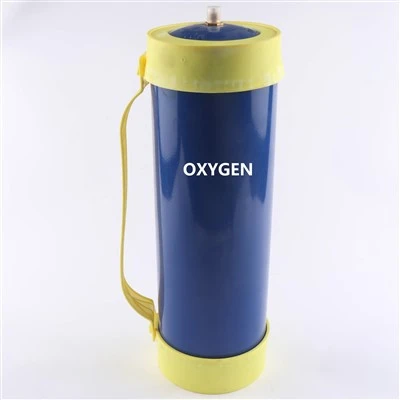
If you are involved in the rubber industry and are looking for a reliable oxygen supplier to meet your production needs or to help you manage the effects of oxygen on your rubber products, I’d encourage you to reach out. Our team of experts can provide you with detailed information about our oxygen products and how they can benefit your operations. We are committed to providing high – quality oxygen and excellent customer service.
Cream Charger Reach out to us to start a conversation about how our oxygen can be tailored to your specific rubber – related requirements. Let’s work together to optimize your rubber production and enhance the quality of your products.
References
- "The Science of Rubber Compounding" by James L. White
- "Rubber Technology Handbook" by Werner Hofmann
- "Oxidation and Antioxidants in Organic Chemistry and Biology" by Jean – Luc Pierre
Fortune Gas Co., Ltd.
With abundant experience, we are one of the most professional oxygen manufacturers and suppliers in China. We warmly welcome you to buy bulk high quality oxygen from our factory. If you have any enquiry about customized service, please feel free to email us.
Address: Building 3, No. 2 Chunchao Road, Yichun Economic and Technological Development Zone, Jiangxi Province
E-mail: Fortunegas_angela@163.com
WebSite: https://www.fortunegascn.com/
