If you’ve ever knelt next to a motorcycle at a stoplight, tracing the curves of its frame or glancing at the whir of its cooling fan, you’re looking at engine outside parts—though you might not have realized it. As a supplier focused exclusively on these components, I’ve spent 12 years helping motorcycle builders and aftermarket shops balance durability, performance, and rider safety, and I’ve learned that these seemingly “outside” parts don’t just sit on the engine; they work with it to turn a hunk of metal into a ride that moves. Let’s break down the most critical engine outside parts, what they do, and why choosing the right ones matters way more than you might think. Engine Outside Parts
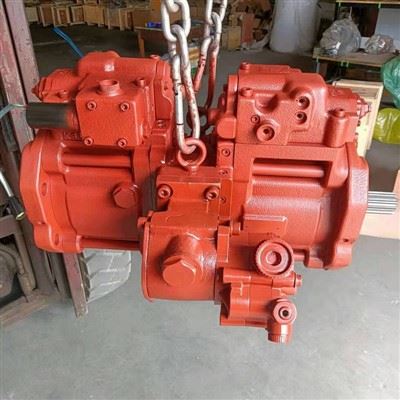
First, let’s get clear on what “engine outside parts” means here. Unlike internal engine components (think pistons, crankshafts, or camshafts) that live inside the engine’s crankcase, these are components mounted to the engine’s exterior, connected to its functions, and essential to the engine’s operation, longevity, and rider experience. I’ve worked with everything from 125cc commuter bikes for urban delivery fleets to 1,800cc touring motorcycles that cross the country, and the core parts that hold an engine together on the outside are pretty consistent across models.
The first big one I always highlight is the engine cover set. Most people know the black, aluminum covers you see peeking out from behind a motorcycle’s frame, but they’re far more than just cosmetic. There are two main ones: the left crankcase cover and the right crankcase cover. The left cover protects the stator, a small, flywheel-mounted generator that charges the battery and powers the motorcycle’s electronics—headlights, turn signals, that small digital dash that tells you your speed or fuel level. If that cover cracks, road grit and water get in, fry the stator, and suddenly you’re stranded on a dark road with no lights. The right cover protects the clutch assembly for manual transmissions or the torque converter for automatics, which transfers power from the engine to the transmission to get the bike moving. A lot of cheap aftermarket covers are thin plastic or low-grade aluminum, but the ones we supply are made from die-cast aluminum that’s heat-treated to resist cracks from road debris or occasional tips. I once had a customer come to us after a cheap cover failed on a cross-country trip; the entire clutch assembly was ruined, and he’d lost three days of work. That’s why we emphasize that engine covers aren’t a place to cut corners.
Next, the cooling system components—critical for air- and liquid-cooled engines alike. For liquid-cooled bikes, the radiator and radiator guard are non-negotiable. The radiator sits at the front of the engine (or sometimes along the side, depending on the model) and circulates coolant to keep the engine from overheating, especially on hot days or during long rides. A cracked radiator from a rock kicked up by a car on the highway can lead to an overheated engine in minutes, which warps pistons or seizes the crankshaft—expensive, permanent damage. The radiator guard is a separate part mounted over the radiator, made of aluminum or stainless steel, to block rocks, road debris, and even minor crashes. For air-cooled bikes, the cooling fan and fan shroud are the engine outside parts that move air over the fins on the engine’s cylinders. On slow rides or idling in traffic, the fan kicks in to prevent overheating; if the fan shroud is cracked, air doesn’t flow evenly, and some cylinders run too hot. I’ve noticed a lot of new riders overlook fan shrouds when they customize their bikes, and it’s one of the most common causes of engine overheating in the first year of ownership. We supply both OEM-spec and high-performance radiator guards and fan shrouds, so builders can choose between stock reliability or extra protection for off-road riding, where debris is a constant risk.
Then there’s the exhaust manifold and exhaust header assembly—wait, some might argue this is part of the exhaust system, but it’s directly mounted to the engine’s cylinder heads, so it’s firmly an engine outside part. The manifold connects the engine’s exhaust ports to the exhaust pipes, and its job is to channel exhaust gases out of the engine efficiently. For performance, aftermarket headers are a big deal; they’re longer than stock manifolds, so they reduce back pressure, which lets the engine breathe easier and produce more horsepower. But they also have to be durable—they sit right next to the engine’s hottest parts, so they have to resist corrosion from road salt, heat from the exhaust, and vibration from the engine. A lot of cheap headers rust out in a couple years, especially in areas that get snow in the winter. The ones we supply are made from TIG-welded stainless steel or titanium, which is lighter and more corrosion-resistant than steel, and we test each batch to make sure it fits perfectly on popular models like Honda CB series or Yamaha FZ series, so there’s no need for custom fabrication. I once worked with a custom bike builder who wanted titanium headers for a vintage Honda 750; he’d tried three different brands before, all of which had fit issues, and we delivered a set that bolted on in 15 minutes. That’s the kind of detail we pride ourselves on.
Another essential engine outside part is the oil filter housing and oil cooler. Oil keeps the engine lubricated, but as it circulates, it picks up dirt and metal shavings, so filters trap those contaminants. The oil filter housing mounts to the engine’s exterior and holds the oil filter in place; if it has a leak, oil can drain out, leading to engine seizing. More and more modern bikes also come with oil coolers, mounted next to the engine, that cool the oil down during hard riding or in hot weather. High-performance bikes or touring bikes, which put a lot of load on the engine, often benefit from aftermarket oil coolers. I’ve had delivery companies as customers—they use small, commuter bikes that idle all day in stop-and-go city traffic, and their oil runs hot in the summer, leading to oil breakdown and engine wear. We supply compact oil coolers specifically for those models, which are lightweight and easy to install, and they’ve cut their engine maintenance costs by 30% on average.
For fuel-injected bikes, the throttle body and intake manifold are also engine outside parts. The throttle body is mounted on the engine’s intake side, and it controls how much air flows into the engine, which matches with fuel from the injectors to create the air-fuel mixture that powers the bike. The intake manifold connects the throttle body to the engine’s intake ports, making sure the air-fuel mixture is distributed evenly to each cylinder. If a throttle body is dirty or has a cracked housing, the bike will run rough, have poor acceleration, or even stall at stops. A lot of riders forget that these need regular cleaning, but replacing a worn throttle body housing is a common fix for persistent idle issues. We supply both throttle body gaskets (which prevent leaks around the housing) and complete throttle body assemblies for popular model lines, and we’ve noticed that many small repair shops prefer our parts because they’re priced competitively but meet OEM specs, so their customers don’t have to pay for expensive branded parts.
I also can’t skip over the mounting brackets and engine gaskets, even though they’re often seen as “small” parts. Mounting brackets hold all the other engine outside parts in place—radiators, covers, headers, oil coolers. If a bracket is flimsy or poorly made, a radiator can shift and crack, or a header can vibrate loose, leading to leaks or noise. We make our mounting brackets from heavy-gauge steel, powder-coated to resist rust, and fit them to every model we supply parts for. Engine gaskets, on the other hand, are the seals between the engine’s exterior parts and the crankcase or cylinder heads. A bad gasket leads to oil or coolant leaks, which can cause big problems fast. I always recommend that riders replace gaskets whenever they do any work on their engine outside parts, even if the old ones look fine— it’s a small cost that prevents expensive damage.
Wait, let’s talk about off-road motorcycles, because their engine outside parts have unique needs. For dirt bikes, the skid plate is one of the most important engine outside parts. It’s mounted under the engine, made of thick plastic or aluminum, and protects the engine from rocks, roots, and mud when riding off-road. I’ve seen so many dirt bikes come into our shop after a crash or a hit with a rock that cracked the engine casing, and a skid plate could have prevented that. We supply skid plates for all major off-road brands, from KTM to Suzuki, and many of them have added mounting points for accessories like tool kits or GPS mounts, which is a bonus for trail riders.
Now, I want to address a common misconception: a lot of people think engine outside parts are just add-ons, but they’re integral to the engine’s function. Without a working stator cover, your bike won’t have lights at night. Without a radiator guard, a small rock can leave you stranded miles from help. When I meet with customers, I always tell them that investing in high-quality engine outside parts isn’t about making their bike look cool (though that’s a nice side effect); it’s about protecting the engine they rely on. A rider who uses cheap engine covers might save $20 now, but if that cover fails and damages the clutch, they could spend $1,500 on repairs.
Over the years, I’ve seen the demand for engine outside parts grow as more people customize their motorcycles and as the number of delivery bikes on city roads increases. More riders are also looking for parts that are durable in extreme conditions—whether that’s riding through desert heat, mountain rain, or winter roads with salt. We’ve adapted our products to meet that demand, testing every part in real-world conditions, not just in a lab. For example, our stainless steel exhaust headers are tested in salt spray chambers for 1,000 hours to make sure they won’t rust, which is a feature our customers specifically asked for.

If you’re a motorcycle builder, a repair shop owner, or a rider looking to replace or upgrade your engine outside parts, I’ve worked with all types of clients, from small custom shops to large fleet operators. I know how important it is to get parts that fit right, last, and don’t break the bank. If you’re looking for reliable engine outside parts, or have questions about which parts are best for your model or riding style, I’m here to help. Let’s connect to discuss your specific needs, whether you need parts for a single bike or a full fleet. We offer bulk pricing for large orders and support for custom builds, so whatever your project is, we can work together to get you the right components.
Hydraulic Pump References
- Motorcycle Engine Components, Society of Automotive Engineers (SAE) International, 2021.
- “Engine Cooling Systems for Modern Motorcycles,” Motorcycle Technology Review, Vol. 17, No. 2, 2022.
- Exhaust System Design and Performance for Lightweight Vehicles, SAE International, 2019.
- Off-Road Motorcycle Component Durability, Adventure Rider’s Technical Manual, 5th Edition, 2020.
- Lubrication Systems for Two-Wheelers, International Journal of Automotive Engineering, Vol. 12, No. 3, 2021.
Yantai Dayun Machinery Parts Co., Ltd.
As one of the most professional engine outside parts suppliers in China, we are committed to providing high quality products with low price. Please feel free to buy discount engine outside parts in stock here from our factory. Contact us for quotation and free sample.
Address: NO91, Zhenzhong Street, Fushan District, Yantai City
E-mail: dayunhyd5123@163.com
WebSite: https://www.dayunexcavator.com/
