Hey everyone, let’s cut to the chase first – I’m Jake, part of the team here at our specialty printing shop, and one question I get at least three times a day from clients is this: “Can you actually print on coated paper?” It’s such a common ask, especially because so many brand owners, packaging designers, and small business owners have that perfect coated stock they swear by – the stuff that makes logos pop, doesn’t smudge when it rains, or feels that premium way better than plain paper. And yeah, that coating is a game-changer… but it also feels like a wall sometimes. Let me break this down without all the boring industry jargon, because I know you don’t have time for that. Specialty Printing
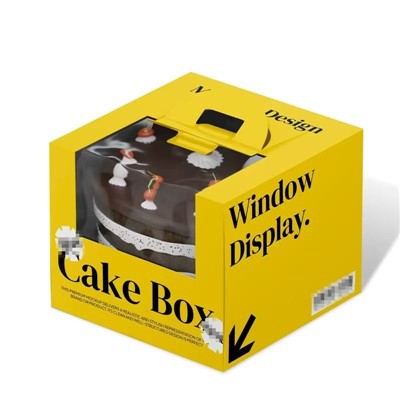
First, let’s talk about what coated paper even is, just to set the scene. It’s not just “paper with a shiny layer” – there are two main types, right? Cast-coated and gloss/matte coated. Cast-coated is that super smooth, mirror-like stuff often used for luxury packaging (think high-end skincare boxes or chocolate wrappers) because it reflects light like nobody’s business. Gloss/matte is the other one, more common for brochures, magazine covers, or postcards – it’s got a thin layer of clay or polymer on top to make the surface uniform, so ink doesn’t soak into the paper fibers. That’s the key here: the coating is a barrier. Regular inkjet or even offset ink? It just beads up or sits on top, smears, or rubs off if you don’t do it right. Which is why so many people think it’s impossible – if you’ve ever tried to print a flyer at home on glossy cardstock and had it turn into a smudged mess, you know exactly what I mean.
But here’s the thing: specialty printing isn’t your run-of-the-mill office printer or basic offset press. That’s the mistake most people make – they compare what we do to the printer at their desk, and that’s not even close. Let’s go through the methods we actually use here, because these work, and they work well.
First up: UV flexo printing. Wait, I know “flexo” sounds like a old industry term, but it’s been updated big time for specialty work, especially on coatings. UV inks here are different – they’re not water-based like regular inks. They’re liquid formulas that cure instantly when you hit ’em with UV light. So when the ink hits that coated paper, instead of soaking in, it just bonds right to the coating surface, then dries in a fraction of a second. No smudging, no rubbing off, even on super smooth cast-coated stock. We used this last month for a craft beer brand’s limited edition can labels – their paper was matte coated, and before that, another printer had bungled the order because their offset ink kept smudging when the labels got wet from condensation. We switched to UV flexo, and they ended up reordering twice more for their next batches. Small businesses talk, right? Word of mouth’s our best marketing.
Next, there’s digital laser printing for coated stock. Wait, a lot of people say “lasers can’t do coated paper” – that’s half true. Old laser printers (the ones that come with your $200 office printer) can’t, because their toner’s heat-based and the coating melts or doesn’t stick. But we use industrial digital laser presses – think HP Indigo or Xeikon – that have modified toner formulas specifically for coated surfaces. These toners charge electrostatically, so they adhere to the coating’s surface way better than regular toner. We did wedding invitations last quarter for a client who insisted on that super thick, matte coated cardstock (you know, the stuff that feels heavy and fancy when you hold it). The invitations had gold foil accents too – wait, foil stamping on coated paper? That’s another specialty trick. We use heat-stamped foil presses that adjust the pressure specifically for coated stock, so the foil doesn’t crack or peel when it’s folded. That client’s invitations went viral in their local wedding group – she said people were stopping her at coffee shops just to ask where she got ’em. Cool stuff.
Then there’s screen printing, the OG specialty method, and yes, it works on coated paper too. A lot of people associate screen printing with t-shirts, but it’s huge for custom packaging, posters, and even art prints on coated stock. The key here is water-based vs. plastisol inks for screen print – plastisol’s not great on coated paper, it cracks too easily. But we use low-cure water-based inks that have binders to stick to the coating. We also use a light pass through a dryer with controlled temperature, so the ink doesn’t burn through the coating. Last year we did a line of limited edition posters for a indie band – their album covers were on gloss coated stock, and they wanted that bold, textured look screen printing gives, not the flat digital print. It came out exactly how they wanted, no peeling, even when they shipped the posters out across the country.
Now, let’s get real about the mistakes people make here. A lot of shops will tell you “we can’t print on coated paper” because they’re using generic equipment. Or they’ll cut corners and use the wrong ink or pressure, and then blame the coating. I’ve had clients come to us after a bad experience – they paid a premium for coated stock, got prints that smudged the first time someone touched ’em, and thought coated paper was just bad. No, it’s the printer. That’s where specialty printing comes in – it’s not one size fits all. We test every job before we commit, actually. Like, if a client brings us a sample of their coated paper, we’ll do a test print, let it sit for 24 hours, rub it with a paper towel, even spray a little water on it, to make sure it doesn’t smudge. No surprises, no “oops we messed up” after the fact.
Wait, also – not all coatings are the same. That’s another thing to know. Some coatings are “printable” by nature – like matte coated paper with a slightly porous clay layer. Others are non-porous, like polymer-based coatings used for food packaging (think cereal boxes or frozen food cartons) that need to be grease-resistant. For those, we adjust the ink even more – we use inks that have adhesion promoters, so they bond to the polymer layer without being greasy or ruining the food safety (which is a big deal, obviously, if you’re doing packaging). We work with a lot of food brands, so that’s non-negotiable for us. We don’t cut corners on compliance stuff.
Let me give you a concrete example to make this tangible. Last month, a local coffee roaster came to us. They have their own custom blend, and they wanted their bags printed on that glossy, grease-resistant coated paper (the kind that keeps coffee fresh for months). They’d tried a big box print shop, and their logos were smudging after just a week of being on shelves at cafes. We used UV flexo with a food-grade ink that’s approved for direct food contact – so it didn’t just stick to the coating, it met all the safety standards. The roaster re ordered 5,000 bags, and the cafes they distribute to said no more smudged labels. That’s the win we live for, right? Helping small (and not so small) brands get the look they want without the hassle.
Now, let’s address the downsides, because I don’t want to lie to you. Specialty printing on coated paper isn’t always the cheapest option. Coated stock itself is more expensive than plain paper, and our specialty methods have a bit more prep work – test prints, adjusting machines for the coating, etc. But if you want something that looks premium, lasts, and doesn’t fall apart after a few uses? It’s worth it. And way better than trying to print on coated paper with the wrong gear, which ends up being wasted money anyway. A lot of clients try to save a buck on print, use their home printer, and waste $50 on a pack of coated paper that turns into a mess. We’ve all been there.
Another thing people ask: can we do specialty effects on coated paper? Like embossing, die cutting, foil? Yes, all of that. Embossing on coated paper is actually really satisfying – you press a metal die into the coated surface, and it creates a raised design, and the coating makes the design super crisp, no fuzzy edges. We did a set of luxury wine labels last year with embossed foil – the texture made the labels feel high-end enough that the client sold 20% more cases than their previous plain labels. That’s the power of specialty printing, especially on coated stock – it elevates your product without you having to do anything extra.
Wait, let’s clear up a myth real quick. Some people think coated paper can’t have matte finishes, or that it has to be glossy. No, matte coated paper is super common, and we can print on that too – same methods, just adjust the ink’s finish to match. We even do soft-touch coatings on top of printed designs sometimes, if a client wants that extra tactile feel. That’s a whole other specialty trick, but it works on top of print on coated paper.
So, to circle back to the original question: Can specialty printing be done on paper with special coatings? 100% yes. It’s not only possible, it’s one of the most popular jobs we do. The key is working with a specialty printer that knows how to adjust their methods for the coating, not just use a one-size-fits-all approach. We’re not the kind of shop that’ll take your money and tell you “no” without trying, or cut corners to get a job done fast. We test, we adjust, we make sure your prints look exactly how you want them to.

If you’re someone who’s been struggling to find a printer that works with your coated stock – whether it’s packaging, invitations, posters, whatever – hit us up to chat. No pressure, no sales pitch, just us talking through what you need, showing you test prints if you want, and figuring out the best way to make your project work. We’ve worked with small startups, big established brands, artists, event planners – all kinds of people who want that premium look that only coated paper and the right print job can give. Don’t let someone tell you it’s impossible – we’ve been doing this long enough to know better.
Pet Products References:
- Printing on Coated Paper: A Guide to Specialty Methods, Specialty Printing Association, 2023
- Adhesion Properties of UV Inks on Polymer Coatings, Journal of Packaging Technology and Science, 2022
- Industrial Digital Printing for Coated Substrates, HP Indigo Technical Papers, 2023
Rugao City Printing Co., Ltd.
As one of the most experienced specialty printing manufacturers and suppliers in China, we also support customized service. Please feel free to wholesale bulk high quality specialty printing for sale here from our factory. For quotation, contact us now.
Address: No. 259, Liyu Road, Rugao City, Jiangsu Province
E-mail: rgsycxp@163.com
WebSite: https://www.rugaoprinting.com/
