Cutting machines are essential tools in various industries, from manufacturing to crafting. Ensuring the cutting repeatability of a cutting machine is crucial for maintaining high – quality production, reducing waste, and meeting customer expectations. As a cutting machine supplier, I understand the importance of providing machines that can consistently deliver accurate and repeatable cuts. In this blog, I will share some key strategies to ensure the cutting repeatability of a cutting machine. Cutting Machine
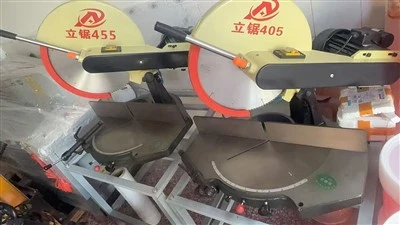
Machine Design and Build Quality
The foundation of achieving cutting repeatability lies in the design and build quality of the cutting machine. A well – designed machine should have a rigid frame to minimize vibrations during the cutting process. Vibrations can cause the cutting tool to deviate from its intended path, leading to inconsistent cuts. For instance, in a CNC (Computer Numerical Control) cutting machine, a heavy – duty steel frame can provide the necessary stability. It can absorb the forces generated during cutting, whether it’s a high – speed laser cutting or a high – pressure water jet cutting.
In addition to the frame, the linear motion components of the cutting machine are also vital. Precision linear guides and ball screws are commonly used in modern cutting machines. These components ensure smooth and accurate movement of the cutting head or the worktable. For example, ball screws convert rotary motion into linear motion with high precision. They have a low friction coefficient, which reduces wear and tear over time and helps maintain consistent movement accuracy.
Furthermore, the cutting tool itself needs to be of high quality. Different types of cutting machines use various tools, such as blades, lasers, or water jets. For a blade – based cutting machine, a high – carbon steel or carbide blade is preferred. These materials offer sharpness and durability, which is essential for making clean and consistent cuts. Laser cutters need well – maintained laser sources with stable power output. If the laser power fluctuates, the cutting depth and width can vary, affecting repeatability.
Calibration and Setup
Proper calibration and setup are critical steps in ensuring cutting repeatability. Before starting any cutting operation, the machine should be calibrated according to the manufacturer’s instructions. This involves setting the correct cutting parameters such as cutting speed, pressure (for water jet cutters), or laser power.
For example, in a CNC plasma cutting machine, the height of the plasma torch above the workpiece needs to be accurately calibrated. A slight variation in the torch height can lead to significant differences in the cut quality and width. Calibration tools like height sensors can be used to precisely adjust the torch height.
The alignment of the cutting components is also crucial. In a multi – axis cutting machine, the axes need to be properly aligned to ensure that the cutting path is accurate. Misaligned axes can cause the cutting tool to cut at an angle or deviate from the intended shape. Laser alignment tools can be used to check and correct the alignment of the axes.
Moreover, the workpiece needs to be properly secured during the cutting process. If the workpiece moves or shifts during cutting, it will result in inconsistent cuts. Clamps, vises, or vacuum tables can be used to hold the workpiece firmly in place. For example, in a wood – cutting machine, a vacuum table can provide a strong hold on the wooden board, preventing any movement during the cutting operation.
Software and Programming
In modern cutting machines, software plays a significant role in ensuring cutting repeatability. CNC cutting machines rely on software to control the movement of the cutting tool and execute the cutting patterns.
The software should have a user – friendly interface that allows the operator to easily input the cutting parameters and design the cutting patterns. At the same time, the software should have built – in algorithms to compensate for any mechanical errors or variations. For example, if the linear guides of the machine have a small amount of backlash, the software can adjust the movement of the cutting tool to compensate for this error.
The accuracy of the CAD (Computer – Aided Design) models used in the cutting process is also important. If the CAD model contains errors or inaccuracies, the cutting machine will produce inconsistent results. Therefore, it is necessary to ensure that the CAD models are thoroughly checked and verified before they are imported into the cutting machine software.
Programming the cutting path is another crucial aspect. The cutting path should be optimized to minimize the movement of the cutting tool and reduce the cutting time. However, this optimization should not sacrifice the cutting accuracy. For example, in a laser cutting process, the software can be programmed to use a continuous cutting path whenever possible, which can reduce the start – stop times of the laser and improve the cutting consistency.
Maintenance and Inspection
Regular maintenance and inspection are essential to keep the cutting machine in good working condition and ensure cutting repeatability.
Firstly, the machine components need to be lubricated regularly. Lubrication reduces friction between moving parts, which helps to prevent premature wear and tear and ensures smooth operation. For example, the linear guides and ball screws in a cutting machine should be lubricated according to the manufacturer’s recommendations.
Secondly, the cutting tools need to be inspected and replaced regularly. A dull or damaged cutting tool can cause inconsistent cuts. For instance, in a metal – cutting saw, the saw blade should be inspected for wear and tooth damage. If the blade is worn out, it should be replaced immediately to maintain the cutting quality.
In addition, the electrical and electronic components of the cutting machine also need to be checked regularly. Faulty electrical components can cause the machine to malfunction, leading to inconsistent cuts. For example, a damaged servo drive can cause the axis movement to be inaccurate.
Finally, the machine should be cleaned regularly to remove dust, debris, and other contaminants. These contaminants can affect the performance of the machine and cause damage to the components. For example, in a dust – prone environment, a laser cutting machine needs to have its optical components cleaned regularly to ensure that the laser beam is transmitted accurately.
Operator Training
Even with a high – quality cutting machine, proper operator training is essential to ensure cutting repeatability. Operators should be trained on how to operate the machine correctly, including how to set the cutting parameters, load the workpiece, and start and stop the machine.
They should also be trained on how to perform basic maintenance tasks, such as lubrication and tool replacement. By having well – trained operators, the risk of human – error – induced cutting inconsistencies can be reduced.
For example, an operator who is not familiar with the cutting machine may set the wrong cutting speed, which can lead to poor – quality cuts. Moreover, an untrained operator may not be able to detect early signs of machine problems, such as abnormal noises or vibrations. Training the operators can improve their awareness and skills, enabling them to operate the machine more effectively and ensure consistent cutting results.
Conclusion
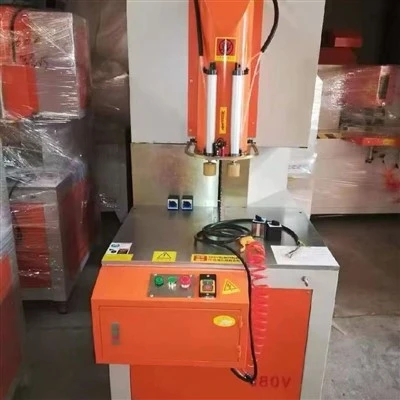
Ensuring the cutting repeatability of a cutting machine is a multi – faceted task that involves machine design, calibration, software, maintenance, and operator training. As a cutting machine supplier, I am committed to providing customers with high – quality machines and comprehensive support to help them achieve consistent cutting results.
Cutting Machine If you are in the market for a cutting machine and want to ensure cutting repeatability in your production process, I encourage you to reach out to us. Our team of experts can provide you with detailed information about our cutting machines, offer customized solutions based on your specific requirements, and guide you through the entire procurement process. We are confident that our cutting machines and services can meet your needs and help you improve your production efficiency and quality.
References
- "Cutting Machine Technology and Applications" – A comprehensive guide on different types of cutting machines and their technical details.
- "Advanced Manufacturing Processes" – A book that covers various manufacturing processes, including cutting, and the factors affecting their repeatability.
- Industry white papers on cutting machine performance and reliability published by leading manufacturing associations.
Kanghong Building Materials Technology Sdn. Bhd.
As one of the most professional cutting machine manufacturers and suppliers in China, we have world-leading production equipment and strong manufacturing capabilities. Please feel free to wholesale advanced cutting machine for sale here from our factory. Customized orders are welcome.
Address: No.601, Block 2, Xinlianchang Industrial Park, No.2 Taixing Second Road, Taiping South Industrial Zone, Dali Town, Nanhai District, Foshan City
E-mail: 631871392@qq.com
WebSite: https://www.kanghong-building.com/
