If you’ve ever run a hand over a well-worn denim jacket, a vintage pair of jeans, or a frayed denim backpack, you know there’s something about that fabric—it’s equal parts rugged, personal, and endlessly customizable. As someone who’s spent the last seven years running an embroidered patches supply business (let’s call it a passion that turned into a full-time gig, not just a “side hustle”), one question I get more than any other is: Can I actually put embroidered patches on denim? Embroidered Patches
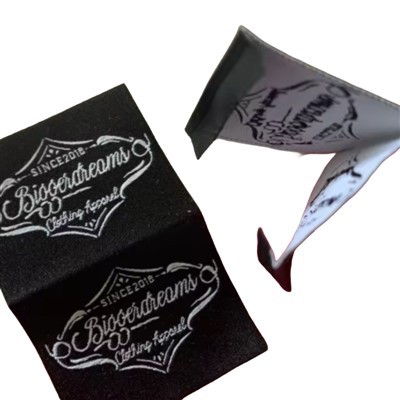
The short answer is yes—definitely—but the longer, real answer is where the magic (and the few small pitfalls) live. Over the years, I’ve worked with everyone from high schoolers customizing their first denim jackets to boutique brands designing limited-edition denim lines, and I’ve learned that denim and patches are a match made in wearable heaven—if you do it right. Let’s break this down, from fabric science to my go-to tips for making your patches last, whether you’re a first-time DIYer or a brand looking to bulk order for a collection.
First, let’s talk about why denim is such a perfect pairing for embroidered patches, because it’s not just a casual aesthetic choice. Denim is a sturdy, twill-woven cotton fabric, with a tight, diagonal weave that’s designed to hold up to years of wear, washing, and rough handling. That same sturdiness is exactly why it’s such a great base for patches: the dense weave doesn’t fray easily, it provides a solid surface for your patch’s stitches to anchor into, and it won’t stretch out or distort when you apply heat (if you’re using iron-on patches) or sew a patch on by hand.
Wait, speaking of iron-on vs. sew-on patches—this is probably the biggest debate when it comes to denim, and it’s one I get asked about all the time. Let’s set the record straight. Iron-on patches are super convenient for small DIY projects or temporary customization, right? You just peel off the backing, iron them on with a cotton setting, and boom—done. But here’s the thing about denim: it’s heavy, and it’s often washed a lot. Iron-on adhesive, while strong for light fabrics like cotton tees, can break down over time on denim, especially if you’re washing the garment regularly or wearing it in situations where it rubs against hard surfaces (like the inside of a backpack or a work belt loop). I’ve had customers come back to me after a month saying their iron-on patch peeled off the pocket of their favorite jeans, and more often than not, it’s because they skipped the extra step of reinforcing the edges. That said, iron-on patches work great if you’re making something for a special event (like a concert jacket you only wear once or twice) or if you plan to touch up the adhesive every few months.
Sew-on patches, on the other hand, are the gold standard for denim—especially if you want your patch to stay put for years. The denim’s tight weave makes it easy to thread a needle through, and the stitches act as an extra layer of security that the iron-on adhesive can’t match. I recommend that all my bulk clients who make denim apparel go with sew-on patches, because it’s the kind of detail that makes a product feel high-quality and intentional. Even if you’re a DIYer with basic sewing skills, sewing a patch to denim is way simpler than it sounds. You don’t need anything fancy—just a regular thread (cotton thread works best for denim, since it’s sturdy) and a needle with a large enough eye to fit through the patch’s embroidery stitches. Most embroidered patches have a fabric backing that lies flat against denim, so you can either sew all the way around the edge of the patch or add a few extra stitches in the center for reinforcement, especially if it’s a large patch.
Now, let’s get into a few common mistakes I see people make when attaching patches to denim, because even if you use the right method, small errors can ruin the look or the longevity of your patch. First and foremost: pre-wash your denim. I know it sounds tedious, but denim shrinks—like, a lot—when it’s first washed. If you attach a patch to new denim that hasn’t been pre-washed, when the denim shrinks in the wash after, the patch will pucker and warp, and no one wants that. I always tell my customers to wash and dry their denim (however they prefer—hot water for shrinkage, cold water for less) before they do any patch work, so the fabric is fully set.
Another mistake: picking the wrong patch size or placement. Denim has those iconic seams—side seams, pocket seams, waistband seams—and if you place a patch over a seam, that seam will create a bump under the patch, making it look lumpy and uncomfortable to wear. My rule of thumb is to place patches on flat, un-seamed sections of denim: the chest of a jacket, the back yoke, the thigh of jeans, the top of a backpack. For placement, it’s all about personal style, but I like to suggest that people use a ruler or a piece of chalk to mark where they want the patch before they attach it—especially for jackets, where symmetry matters. No one wants a patch that’s lopsided on their left chest.
What about if you want to put multiple patches on denim? That’s where it gets really fun, but again, there are a few tips. Don’t overcrowd the denim. A good rule is to leave at least an inch of space between each patch, so each one gets a chance to stand out. If you’re doing a full patch design on the back of a denim jacket, start with a large central patch, then add smaller patches around it in a loose, balanced layout. Avoid placing patches too close to the hem of the jacket or the sleeves, because that area stretches when you move, and the patches can start to peel or fray.
Wait, what about older denim—like vintage jeans or a well-worn jacket that’s already got some distressing? Can you put patches on that? Absolutely, and actually, vintage denim is some of the best fabric to work with. It’s broken in, so it’s extra soft but still sturdy, and the faded, worn look pairs perfectly with embroidered patches—they add a new layer of personality without clashing with the old. Just a quick note: if your vintage denim has frayed edges, make sure to trim any loose threads before attaching your patch, so you don’t accidentally sew over a loose thread or have it show up around your patch.
Now, for the business side of things—if you’re a boutique owner, a denim brand, or someone looking to order embroidered patches in bulk for a collection, working with a supplier like me (shameless, but true) means you get patches that are made specifically to work with denim. We use heavy-duty polyester thread for all our embroidery, which is strong enough to stand up to the friction of denim, and our sew-on patches have a cotton fabric backing that lies flat against denim, no weird bulk or uneven edges. We also offer custom sizing, so you can get small patches for jeans pockets, large patches for jacket backs, and everything in between, all tailored to the specific needs of denim apparel.
I’ve seen too many brands cut corners on patch quality for denim, and it shows. A cheap patch with thin thread will fray after a few washes, or a patch that’s too stiff will pull away from the denim’s weave over time. That’s why we test every patch we make with denim—we sew them on to a sample of heavy-weight denim, wash them 20 times, and check to make sure the stitches are still tight, no fraying, no peeling. It’s an extra step, but it’s worth it when a customer picks up a denim jacket with one of our patches and says, “This is going to last me for years.”
Let’s also talk about care, because even the best patch on denim will last longer if you wash it right. If you have a sew-on patch, you can wash your denim just like you normally would—inside out, to protect the patch’s embroidery, in cold water. Avoid using harsh bleach or fabric softeners, because they can break down the thread in the patch over time. If you have an iron-on patch, hand wash your denim instead of machine washing, because the agitation of the washer can loosen the adhesive. And never put your denim in the dryer on high heat—hang dry it, or use low heat if you have to, because high heat can melt iron-on adhesive and warp the patch.
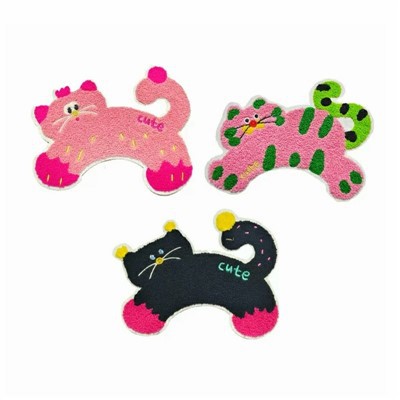
I know I’ve rambled a lot, but the core of it is this: embroidered patches are not just a temporary trend for denim—they’re a timeless way to personalize a garment that’s already full of history. Whether you’re adding a band patch to a thrifted denim jacket, customizing a pair of jeans for your kid, or building a full line of branded denim apparel, patches work. The key is to choose the right type of patch (sew-on is almost always the best bet for denim), prep your denim properly, and take a little time to place and attach the patches correctly.
PVC Patches If you’re thinking about ordering patches for your denim project—whether it’s a small DIY run or a bulk order for your brand—feel free to reach out. We work with everyone from individual creators to major apparel lines, and we’re happy to walk you through every step, from choosing the right patch style to making sure it adheres perfectly to denim. There’s no project too big or too small for our team, and we’re passionate about helping you create something that you’ll love wearing (or selling) for years to come.
References
- Denim Science: Structure, Properties, and Performance. Textile Institute, 2018.
- Embroidered Patch Application Techniques for Woven Fabrics. International Embroidery Manufacturers Association, 2021.
- Garment Care Best Practices for Patched Denim. Apparel Industry Maintenance Guide, 2022.
- Bulk Custom Patch Specifications for Denim Apparel. Textile Supplier Standards Council, 2020.
Kaishen Garment Accessory Co., Ltd.
As one of the most professional embroidered patches manufacturers and suppliers in China, we’re featured by quality products and low price. Please rest assured to wholesale bulk cheap embroidered patches from our factory. Contact us for customized service and free sample.
Address: No.1, Yangguang Road, Shanwu Village, Shijie Town, Dongguan City, Guangdong Province
E-mail: patch@shiujan.com
WebSite: https://www.kspatch.com/
