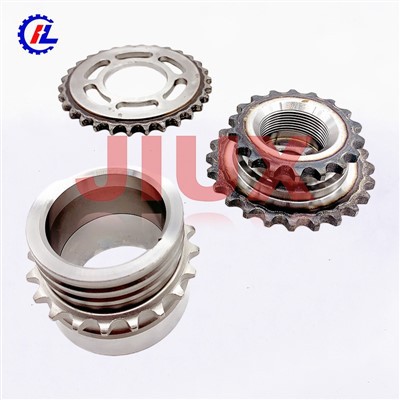
As a seasoned supplier of timing sprockets, I’ve witnessed firsthand the diverse range of issues that can lead to their failure. Timing sprockets are crucial components in engines, playing a vital role in synchronizing the rotation of the crankshaft and camshaft. Their proper functioning is essential for the overall performance and longevity of an engine. In this blog, I’ll delve into the common causes of timing sprocket failure, drawing on my extensive experience in the industry. Timing Sprocket
Wear and Tear
One of the most prevalent causes of timing sprocket failure is wear and tear. Over time, the constant meshing of the sprocket teeth with the timing chain or belt causes friction, which gradually wears down the teeth. This wear can lead to a loss of tooth profile, resulting in improper engagement with the chain or belt. As the wear progresses, the sprocket may start to skip teeth, causing the engine’s timing to be thrown off. This can lead to a variety of problems, including reduced engine performance, misfires, and even engine damage.
The rate of wear on a timing sprocket depends on several factors, including the quality of the sprocket material, the operating conditions of the engine, and the maintenance practices. Sprockets made from low-quality materials are more prone to wear, as they may not have the necessary hardness and durability to withstand the constant stress. Additionally, engines that operate in harsh conditions, such as high temperatures or dusty environments, can experience accelerated wear on the timing sprockets. Regular maintenance, including proper lubrication and tension adjustment, can help reduce wear and extend the lifespan of the timing sprockets.
Fatigue Failure
Fatigue failure is another common cause of timing sprocket failure. Fatigue occurs when a material is subjected to repeated stress over time, causing microscopic cracks to form. These cracks gradually grow and propagate, eventually leading to the failure of the component. In the case of timing sprockets, fatigue failure can occur due to the cyclic loading caused by the rotation of the engine.
The design of the timing sprocket can also influence its susceptibility to fatigue failure. Sprockets with sharp corners or notches are more likely to develop stress concentrations, which can accelerate the formation of cracks. Additionally, improper heat treatment during the manufacturing process can result in a material with reduced fatigue resistance. To prevent fatigue failure, it’s important to use high-quality materials and ensure proper design and manufacturing processes.
Misalignment
Misalignment between the timing sprocket and the chain or belt is a significant cause of failure. When the sprocket is not properly aligned, it can cause uneven wear on the teeth and the chain or belt. This can lead to premature wear and failure of both the sprocket and the chain or belt. Misalignment can occur due to a variety of reasons, including improper installation, worn bearings, or damage to the engine block.
During installation, it’s crucial to ensure that the timing sprocket is correctly positioned and aligned with the chain or belt. This may require the use of specialized tools and following the manufacturer’s installation instructions carefully. Regular inspection and maintenance can also help detect and correct any misalignment issues before they cause significant damage.
Corrosion
Corrosion can also cause timing sprocket failure. Exposure to moisture, chemicals, or other corrosive substances can lead to the formation of rust and other corrosion products on the surface of the sprocket. Corrosion can weaken the material of the sprocket, making it more prone to wear and fatigue. In addition, corrosion can cause the teeth of the sprocket to become rough, which can damage the chain or belt.
To prevent corrosion, it’s important to use sprockets made from corrosion-resistant materials, such as stainless steel or coated steel. Additionally, proper storage and maintenance can help protect the sprockets from exposure to corrosive substances. For example, storing the sprockets in a dry environment and applying a protective coating can help prevent corrosion.
Overloading
Overloading the timing sprocket can also lead to failure. When the engine is subjected to excessive loads, such as during heavy towing or high-performance driving, the timing sprocket may be forced to operate beyond its design capacity. This can cause the teeth to break or the sprocket to deform, resulting in failure.
It’s important to ensure that the timing sprocket is properly sized and rated for the specific application. Using a sprocket that is too small or has a lower load capacity than required can increase the risk of failure. Additionally, avoiding excessive loads and following the manufacturer’s recommendations for engine operation can help prevent overloading of the timing sprocket.
Chain or Belt Issues
The condition of the timing chain or belt can also affect the performance and lifespan of the timing sprocket. A worn or damaged chain or belt can cause excessive stress on the sprocket, leading to premature wear and failure. For example, a loose chain can cause the sprocket to skip teeth, while a tight chain can put excessive tension on the sprocket, leading to fatigue failure.
Regular inspection and replacement of the timing chain or belt are essential to ensure the proper functioning of the timing sprocket. It’s important to follow the manufacturer’s recommended maintenance schedule for chain or belt replacement. Additionally, using high-quality chains or belts can help reduce the risk of failure and extend the lifespan of the timing sprocket.
Poor Lubrication
Proper lubrication is crucial for the smooth operation of the timing sprocket. Lubrication helps reduce friction between the sprocket teeth and the chain or belt, preventing wear and overheating. Without adequate lubrication, the sprocket can experience increased friction, leading to premature wear and failure.
The type of lubricant used and the frequency of lubrication are important factors. Using the wrong type of lubricant or not lubricating the sprocket regularly can lead to problems. It’s important to follow the manufacturer’s recommendations for lubrication and use a high-quality lubricant that is suitable for the specific application.
Manufacturing Defects
Although rare, manufacturing defects can also cause timing sprocket failure. Defects such as improper heat treatment, incorrect tooth profile, or material impurities can weaken the sprocket and make it more prone to failure. These defects may not be immediately apparent but can lead to premature failure over time.
When sourcing timing sprockets, it’s important to work with a reputable supplier who has a quality control system in place. A reliable supplier will conduct thorough inspections and testing to ensure that the sprockets meet the required standards.
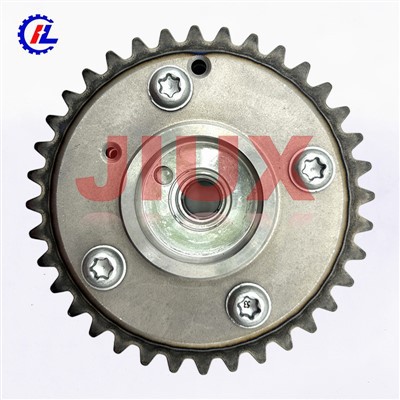
In conclusion, timing sprocket failure can be caused by a variety of factors, including wear and tear, fatigue, misalignment, corrosion, overloading, chain or belt issues, poor lubrication, and manufacturing defects. As a timing sprocket supplier, I understand the importance of providing high-quality products and offering comprehensive support to our customers. If you’re experiencing issues with your timing sprockets or are in need of new ones, I encourage you to reach out to us. We can help you select the right sprockets for your application and provide guidance on installation and maintenance. Our team of experts is dedicated to ensuring your satisfaction and the optimal performance of your engines.
Fit for HONDA References
- Automotive Engine Design and Technology by John Heywood
- Handbook of Automotive Engineering by Graham Crolla
- Principles of Internal Combustion Engines by Richard Stone
Huzhou Hongli Auto Parts Co., Ltd.
With abundant experience, we are one of the most professional timing sprocket manufacturers in China. Please rest assured to buy customized timing sprocket at competitive price from our factory. If you have any enquiry about cooperation, please feel free to email us.
Address: Building 16, No.50 / Building 18, No.58, Dadongwu, Lianshi Town, Nanxun District, Huzhou, Zhejiang, China
E-mail: jiux@timingkit.cn
WebSite: https://www.jiuxkit.com/
