What is the Maximum Height for Installing WPC Wall Panels?
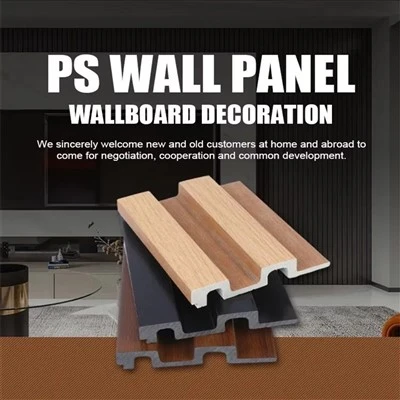
As a supplier of WPC (Wood – Plastic Composite) wall panels, I often receive inquiries from customers about the maximum height for installing these panels. This is a crucial question as it directly affects the feasibility and safety of various projects. In this blog post, I’ll explore the factors influencing the maximum installation height and provide some practical guidelines. WPC Wall Panel
Factors Affecting the Maximum Installation Height
Structural Integrity of the Panels
WPC wall panels are made from a combination of wood fibers and plastic polymers. The blend of these materials gives the panels certain mechanical properties. The thickness and density of the panels play significant roles in determining how high they can be installed. Thicker panels generally have better load – bearing capacity. For example, a 10 – millimeter thick WPC panel may have a different maximum installation height compared to a 15 – millimeter thick one. The density also affects the strength; a higher – density panel can support more weight and stress, which is essential when considering taller installations.
Mounting System
The type of mounting system used is another key factor. There are different methods to install WPC wall panels, such as using clips, adhesives, or a combination of both. A well – designed clip system that securely attaches the panels to the wall studs can increase the maximum installation height. For instance, a heavy – duty clip system that is specifically engineered for vertical installations can provide better support and stability, allowing the panels to be installed at greater heights. Adhesives, on the other hand, need to have strong bonding properties, especially for taller walls. If the adhesive fails to hold the panels firmly in place, it can lead to panel detachment, which is a serious safety hazard.
Wall Structure
The condition and type of the wall on which the WPC panels are to be installed are also important. If the wall is made of solid concrete, it can generally support more weight and stress compared to a partition wall made of lightweight materials like gypsum board. A solid wall provides a stable base for the panels, and the maximum installation height can be relatively higher. In contrast, a weak or unstable wall may require additional reinforcement before installing the WPC panels, and this can also limit the maximum height. For example, if the wall has significant cracks or is not properly aligned, it can affect the installation process and the long – term stability of the panels.
Environmental Conditions
Environmental factors such as wind load, humidity, and temperature can also influence the maximum installation height. In areas with high – wind conditions, the panels need to be able to withstand the lateral forces exerted by the wind. Taller walls are more exposed to wind, and the panels may experience greater stress. Humidity can cause the WPC panels to expand or contract slightly, which can affect their long – term stability if the installation is not properly designed. Extreme temperatures can also have an impact on the material properties of the panels, potentially reducing their strength.
Practical Guidelines for Installation Height
Based on our experience and industry standards, for standard residential installations with 12 – millimeter thick WPC panels on a solid concrete wall using a reliable clip – based mounting system, the maximum height can typically reach up to 3 meters. This height is considered safe and provides a good balance between aesthetic appeal and structural stability.
However, for commercial projects or areas with special requirements, such as high – traffic areas or buildings in windy locations, we recommend a more conservative approach. In these cases, a maximum height of 2.5 meters may be more appropriate, especially if the panels are not reinforced or if the mounting system is not of the highest quality.
If taller installations are required, additional reinforcement measures can be taken. For example, adding vertical support beams at regular intervals can significantly increase the load – bearing capacity of the wall panels. These support beams should be properly attached to the wall and the panels to ensure that the entire structure remains stable.
Case Studies
Let’s take a look at a few case studies to illustrate the points mentioned above.
In a small residential bathroom renovation project, the customer wanted to install WPC wall panels up to a height of 2.8 meters. The wall was a solid brick wall, and we used a high – quality clip system to install 12 – millimeter thick panels. After a year of use, there were no signs of panel deformation or detachment, indicating that the installation was successful within the recommended height range.
In a commercial office lobby, the client asked for a 3.5 – meter – high installation of WPC panels on a drywall partition. Despite using a strong adhesive and a reinforced clip system, the panels started to show signs of stress after a few months, mainly due to the relatively weak wall structure and the high wind load from the revolving doors nearby. In this case, the installation height exceeded the recommended limit for the given conditions, and it led to some problems.
Importance of Professional Installation
It’s important to note that regardless of the maximum height guidelines, professional installation is crucial. Experienced installers understand the nuances of the installation process, such as proper panel alignment, the correct use of mounting materials, and how to deal with any potential issues that may arise during installation. They can also take into account the specific environmental and structural factors of each project to ensure a safe and long – lasting installation.
Conclusion
Determining the maximum height for installing WPC wall panels is a complex process that involves considering multiple factors, including panel structure, mounting system, wall condition, and environmental factors. While general guidelines can be provided, each project is unique, and a thorough assessment should be conducted before installation.
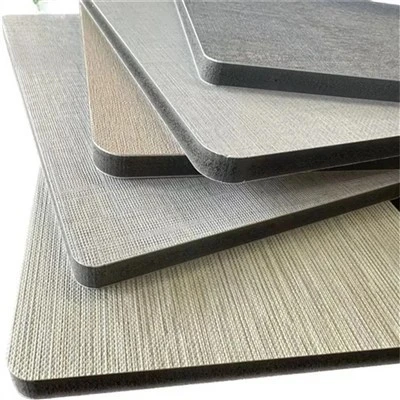
Other Wall Panels If you’re considering using our WPC wall panels for your project, I encourage you to reach out to our team. We have a wealth of experience in the industry and can provide you with detailed advice on installation height, as well as other aspects of using our products. Whether it’s a small residential renovation or a large – scale commercial project, we’re here to help you make the best decisions for your wall panel installation.
References
- "Wood – Plastic Composites: Materials and Manufacturing." Edited by Lawrence T. Drzal, et al.
- Industry standards for WPC wall panel installation published by relevant building material associations.
Shandong Dowell Decorative Material Co., Ltd.
With abundant experience, we are one of the most professional WPC wall panel manufacturers and suppliers in China. We warmly welcome you to wholesale premium WPC wall panel at competitive price from our factory. If you have any enquiry about cooperation, please feel free to email us.
Address: Room 913, 9th Floor, International Trade Service Center, No. 100 Lingong Road, Comprehensive Bonded Zone, Chaoyang Street, Yihe New District, Linyi City, Shandong PR, China
E-mail: info@dowellpanel.com
WebSite: https://www.dowellspcfloor.com/
