Hey guys, let’s cut to the chase: if your range hood fan’s always either blowing too hard (scaring the mailman when you open the kitchen window mid-stir fry) or so slow that grease smoke is hanging around your cabinets like a permanent fog, you’re in the right spot. As someone who’s been supplying range hood fans for years, I’ve fielded way too many texts and calls from homeowners panicking about adjusting fan speed—most of it is way simpler than you’d think. No fancy tools, no engineering degree required, just some practical steps and a little know-how. Kitchen Range Hood Fan

First off, let’s not skip the basics. A lot of people forget that most hoods don’t even need a complicated fix for speed issues. Start with checking what kind of hood you’ve got: pull-down, under-cabinet, island, wall-mounted, ducted or ductless? Wait, ductless is a whole separate thing, but even then, the speed adjustment process is usually way more straightforward than you’d guess. Most standard models have a control panel right on the hood itself—no hidden app or remote hack (though some new ones do have remotes, we’ll get to that). Let’s walk through the most common control types first, since 9 out of 10 of you are dealing with these.
If your hood has physical buttons—those little plastic ones, usually labeled Low, Med, High, maybe an extra for Boost—just click ‘em. Wait, hold up, don’t overthink it. Sometimes the button feels stuck? Let’s test that first: wipe around the control panel with a dry cloth. Grease and food crumbs build up there faster than you’d believe, gunking up the switches. I’ve seen customers push so hard on a stuck button they thought the fan was broken, turns out it was just a crumb block. Press each button firmly for 2-3 seconds to make sure it registers—they don’t always beep when you tap soft, especially after months of gunk buildup.
What if your hood has a touch control panel? No physical buttons, just smooth plastic? Same rule: wipe it down first. Touch controls can be finicky if there’s oil on your fingers, too. I tell my customers to use a little rubbing alcohol on a cotton swab around the edges of the touch area, because that’s where gunk hides. Then, try a light, firm tap—don’t poke it like it’s a screen. A lot of touch panels are set so the first tap after the hood has been off defaults to low, so if you want high, you have to tap it a second or third time. I get so many people saying “my fan won’t go high” and it’s just them tapping once and giving up. Try tapping slowly, waiting half a second between taps— that’s usually the trick.
Now, what if you’ve got a remote control? That’s super common for island hoods, since they’re usually out of arm’s reach above the stove. First, check the remote batteries—dead AA or AAA is the #1 remote problem. I’ve had customers order new fans because the remote wouldn’t work, only to find the batteries were just drained. Replace ‘em, and make sure there’s nothing blocking the signal between the remote and the hood’s receiver—no cabinets, no pots, nothing. Some remotes have a “hold” button by accident? Yeah, that’s a thing. Check the small print on the remote, look for a little lock icon, if it’s lit up, hold that button for 3 seconds to unlock it. That’s a easy one to miss.
Okay, so what if none of the physical controls work? The fan is stuck on high, or stuck on low, no matter what you press. Don’t call a repairman yet— I’ve fixed this exact issue for so many people, it’s usually not a broken fan. Let’s start with resetting the hood. Unplug it from the wall, or flip the circuit breaker for the kitchen outlet, wait 2 full minutes, then plug it back in. That resets the control board, which is like the hood’s brain. 60% of the time, that fixes speed issues right there. I swear by that trick— I even use it on my own home hood when it glitches.
Wait, what if it’s a ductless hood (also called recirculating)? Those have charcoal filters, right? A lot of people forget to change those, and if the filter’s clogged with grease and gunk, the fan has to work way harder, so it feels like it’s stuck on low, or it’s making weird noises. If your hood’s ductless, pull out the filter, hold it up to the light. Can you barely see through it? That’s your problem. Clean or replace the filter, and the fan speed will go back to normal. I tell customers to do that every 3-6 months, depending on how much you cook— if you fry or stir fry a lot, that’s every 3 months. That’s such a simple fix, so many people skip it.
Now, let’s get into when you might need to adjust something a little deeper— not the surface controls, maybe the fan motor settings? Wait, that’s more for if you’re handy with basic electrical stuff, right? I always say if you’re nervous around wiring, call a professional, but if you’re the type who changes your own light bulbs and doesn’t mind a little work, here’s what to know. Some hoods have internal dip switches on the control board, usually located inside the hood behind the filter. You have to unplug the hood first, obviously, before opening it. The dip switches are little tiny switches, usually labeled “Speed Preset” or something similar. Different models have different settings— some let you adjust how powerful the low, medium, high speeds are, so if low is too slow, you can crank that a little. But here’s a heads up: don’t mess with these if you don’t have the manual. If you lost your manual, most brands have it online, or you can reach out to us as the supplier, we can send it over no problem. Messing with dip switches wrong can make the fan work way too hard, which wastes energy, or even break it.
Another thing: if your hood has a variable speed fan (not just three fixed speeds), that’s the fancy kind that lets you set it to whatever speed you want, not just low/med/high. A lot of people don’t even realize theirs does that. Variable speed usually works with a sliding touch control, or a knob that you turn to adjust, not just click. The knob’s not just for on/off— turn it slowly, and you’ll see the fan speed adjust gradually. I’ve had customers tell me “my variable speed is broken” and it was just them turning it too fast, or only clicking it. Try turning it slowly, and you’ll notice it gets louder as it gets faster, quieter as it slows down. That’s how you know it’s working.
Wait, let’s talk about when you shouldn’t adjust anything. If your fan is making grinding noises, or the light doesn’t work, or it’s tripping the circuit breaker when you turn it on— don’t mess with speed settings, that’s a motor or electrical issue. Stop using it, check the circuit, if it’s not the breaker, reach out to someone who knows how to fix range hoods, or reach out to us, we can help. Don’t try to open the hood’s motor housing if you don’t know what you’re doing— that’s a quick way to get grease all over your hands, or worse, hurt yourself.
Also, a quick pro tip from someone who’s sold thousands of these: match your fan speed to what you’re cooking. I know a lot of people just leave it on high all the time, but that wastes energy and makes more noise. For light stuff like boiling water or microwaving, low speed is enough. For sautéing eggs or simmering a soup, medium. For stir frying, deep frying, or things that make a lot of smoke, high speed. If you’re doing a big meal, you can use the boost setting (if your hood has it) for a few minutes, then drop it back down. That not only saves energy, it makes your kitchen way quieter. I swear, my own hood was always loud until I stopped leaving it on high 24/7— game changer.
Let me also address a common myth: if your hood is old, you can’t adjust the speed. Not true. A lot of older hoods only had two speeds, but even those— check the control panel, sometimes they have a hidden switch, or you can swap the capacitor to adjust speed. Wait, capacitors! That’s another thing. The capacitor is the part that controls the fan’s speed, right? If your fan is old and stuck on one speed, replacing the capacitor can fix it, and it’s way cheaper than a new hood. But again, if you’re not handy, don’t do it yourself— but it’s a fix a lot of repair people will do for under $50.
Now, if none of these steps worked, or you’re looking for a new hood that lets you adjust speed easily, that’s where we come in. As a range hood fan supplier, we make models with simple, intuitive controls, variable speed options, and they’re easy to adjust no matter what your skill level is. We also have team members who can walk you through any issue, whether you’re fixing an old hood or setting up a new one. If you’re having trouble with your current fan speed, or you want a new hood that’s easy to adjust, reach out to us— we can answer all your questions, help you pick the right model, and even walk you through setup.
Wait, let’s recap to make sure I didn’t miss anything, so you have a quick checklist:
- Wipe the control panel— gunk is the #1 enemy.
- Check remote batteries, if you use a remote.
- Reset the hood by unplugging for 2 minutes.
- For ductless, check and clean/replace the charcoal filter.
- If it’s a touch/variable control, tap or turn slowly, not hard.
- If you’re handy, check dip switches (with manual!) but don’t overdo it.
- Match speed to your cooking— no need for high all the time.
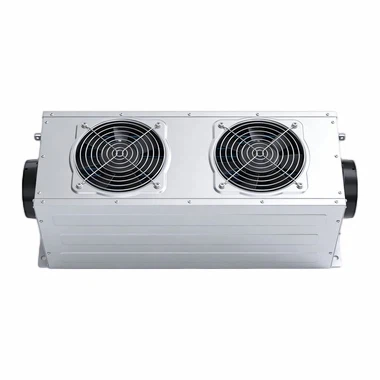
That’s all there is to it. I’ve seen so many people stress over this, and it’s always one of these simple steps. If you’re still stuck, or you’re ready for a new range hood that’s easy to adjust, just reach out. We’re here to help with all your range hood needs, no complicated hoops to jump through.
Solar Fan For more info on range hood speed adjustment and maintenance, here are a few references:
- Kitchen Appliance Standards Association. Residential Range Hood Performance Guidelines. National Kitchen and Bath Association, 2022.
- Consumer Product Safety Commission. Home Appliance Maintenance Tips for Range Hoods. U.S. CPSC, 2021.
- HVACR Service and Educational Foundation. Basic Troubleshooting for Residential Ventilation Fans. Heating, Refrigeration, and Air Conditioning Institute of America, 2020.
Shengzhou Geeking Electric Appliance Technology Co., Ltd.
Address: No. 19, Putian Avenue, Pukou Subdistrict, Shengzhou City
E-mail: 13588516010@163.com
WebSite: https://www.geekingfan.com/
