Hey everyone, if you’ve ever walked past a construction site, a neighborhood sidewalk, or a municipal parking lot, you’ve definitely seen trench covers. Those big, metal (or sometimes concrete) plates that keep people and vehicles from falling into deep utility trenches—they’re way more common than most of us realize. I’m from a trench cover supply company, and one question we get all the time is: “Can trench covers be painted?” It feels like such a simple question, but the answer has actual real-world stakes, and it’s not just a “yes” or “no” deal. Let’s break this down like we would with any customer who calls us panicking because their cover faded or they need to mark something specific fast. Trench Cover
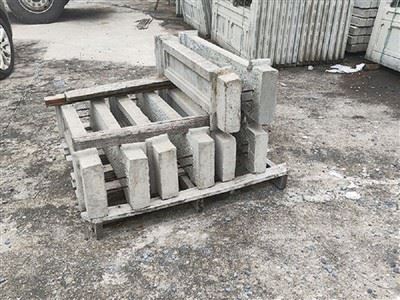
First off, let’s start with the basics: why would someone even want to paint a trench cover? The most obvious reason is aesthetics. Cinder gray metal covers can blend into concrete or asphalt, especially in older areas where the paint has chipped or worn off. That’s a big safety issue, actually—if a cover is hard to spot, someone could trip over it, or a driver might misjudge the edge. A lot of cities and property managers also use paint to mark what’s under the trench: red for gas, yellow for telecom, blue for water, green for sewer. That’s not just branding, that’s a lifesaver for utility workers who are coming back later to fix lines—they don’t want to dig into the wrong pipe because a faded cover didn’t give them a clue. Plus, painting can stop rust in its tracks. Metal trench covers are out in the sun, rain, snow, salt from winter roads—all that stuff eats away at steel. A fresh coat of paint creates a barrier between the metal and the elements, which extends the life of the cover.
Okay, so the short answer is yes, you can paint a trench cover, but only if you do it right. If you slap on any random spray paint you have in your garage, you’re wasting time and money, and you might make the problem worse. Let’s talk about the mistakes we see customers make all the time: using latex house paint, for example. That stuff peels off after a few months when it gets hit with rain or oil from construction vehicles. Or not prepping the surface at all—paint doesn’t stick to rust or grime, so it’ll bubble and flake before you even finish the job. We’ve had a customer come to us last year because they painted a batch of trench covers for a new development, and within two weeks, half the paint was gone. Turns out they used regular acrylic paint and skipped the primer. Total mess.
Now, the actual process that works, and what we recommend to every client. First, prep is non-negotiable. You have to get the cover totally clean. If it’s a metal cover, that means pressure washing it (around 1,500 to 3,000 PSI, not too high that you warp the metal) to get rid of dirt, oil, old paint chips, and loose rust. If there’s heavy rust, you can use a wire brush or a sandblaster for tough spots—no skimping here. For concrete trench covers, it’s similar, but you might need to etch the surface lightly with a concrete etcher so the paint grips. Once it’s dry, you need a primer that’s made for the material and the environment. For metal, we use oil-based rust-inhibitive primer—water-based primers just don’t seal out moisture as well. For concrete, there’s special masonry primer that won’t flake. Then, the paint itself: you need exterior-grade, heavy-duty paint. We suggest alkyd-based enamel or epoxy paint for metal—epoxy is super tough, resists chemicals, and stands up to traffic way better than regular spray paint. For concrete, a acrylic-urethane paint works. Avoid anything that’s not made for high-wear outdoor use—your trench cover is going to get stepped on, driven over, and exposed to the elements, so it needs paint that can handle that.
Wait, hold on—are there any cases where you shouldn’t paint a trench cover? I’ve heard some folks say that paint can make the cover slippery, which is a safety hazard. That’s true if you use the wrong kind of paint, especially when it’s wet. If you use a glossy enamel without any anti-slip additive, rain or spilled water will make it slippery. That’s a big no in areas with lots of foot traffic or where people might be moving materials. So if you’re painting a high-traffic area, you need to add a non-slip aggregate (like sand or aluminum oxide) to the top coat. That keeps the traction up, so no one slips and falls. Another thing: some municipalities have regulations about what paint you can use on utility covers. A lot of places require reflective paint for visibility, or specific colors for utility marking. We always tell customers to check with their local public works department before buying paint—you don’t want to end up with a fine because you used the wrong color.
Now, let’s talk about how long paint on a trench cover actually lasts. It depends on a lot of factors: the type of paint, the prep work, how much traffic the cover gets, and the weather. If you do the full prep, use epoxy paint, and add anti-slip, you’re looking at 3 to 5 years. If you cut corners, maybe 6 months to a year. We recently did a test with a client in a snowy city up north—they painted some covers with our recommended epoxy primer and paint back in 2021, and as of last year, the paint was still holding up, even through road salt and plows hitting the edges. That’s the stuff you want.
As a trench cover supplier, we’ve seen every scenario: covers that are painted perfectly, covers that are a disaster, covers that never got painted at all and ended up rusting out after just a couple years. The biggest takeaway here is that painting a trench cover isn’t just a cosmetic choice—it’s a maintenance step that can save you money in the long run. A new trench cover can cost hundreds of dollars, but a gallon of good paint is like $30, and it extends the life of the cover by years. Not to mention the safety benefits: clear marking helps utility workers avoid mistakes, and good paint prevents people from tripping over or falling into unmarked trenches.
I know this sounds like a lot, but we make it easy for our customers. A lot of people don’t have time to figure out what primer and paint to use, or how to prep the covers. That’s why we not only supply high-quality trench covers, we also give free tips on painting, marking, and maintaining them. If you’re a contractor, property manager, or city worker who has a bunch of trench covers that need touching up or marking, hit us up. We can send you a breakdown of exactly what products work, or even coordinate with local painters we trust who know how to do it right.

At the end of the day, trench covers are a small part of infrastructure, but they play a huge role in keeping people safe and utilities running smoothly. Painting them isn’t just a DIY project—when done correctly, it’s a smart investment. Don’t cut corners on prep or paint, and don’t forget to check local rules before you start. If you have questions, or you need new trench covers that are easy to paint and maintain, reach out. We’re here to help.
Concrete Railing References:
- American Traffic Safety Services Association. (2020). “Guidelines for Utility Marking and Trench Cover Visibility.”
- Steel Structures Painting Council. (2018). “Surface Preparation and Coating for Metal Outdoor Equipment.”
- National Ready Mixed Concrete Association. (2019). “Painting and Coating Concrete Infrastructure for Durability.”
Shanghai Dishan Xiumei Railing Manufacturing Co., Ltd.
With 20 years’ experience, we are one of the most professional trench cover manufacturers and suppliers in China. We warmly welcome you to wholesale customized trench cover made in China here from our factory. If you have any enquiry about quotation, please feel free to email us.
Address: No. 2568 Xiangyanghe Road, Qingpu District, Shanghai
E-mail: 13524911319@163.com
WebSite: https://www.dsxmoutdoorliving.com/
