If you’ve ever stood in a kitchen during a small grease flare-up or seen a commercial kitchen staff reach for a fire blanket instead of a fire extinguisher, you’ve probably wondered: can a fire blanket actually be used on an electrical fire? As a fire blanket supplier who’s worked directly with restaurants, office managers, and even school facilities teams for over a decade, I get this question all the time—and it’s one that deserves a clear, science-backed answer, not a vague “it depends” that leaves people second-guessing in an emergency. Fire Blanket
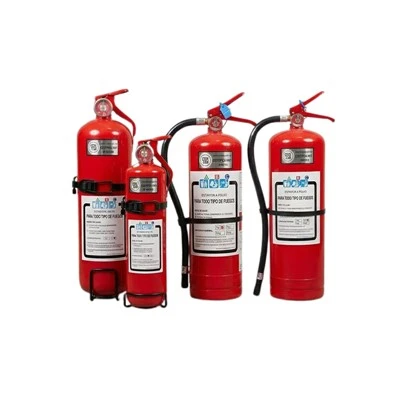
First, let’s break down what an electrical fire actually is, because that’s where a lot of misconceptions start. Electrical fires are caused by overheated wiring, faulty appliances, overloaded outlets, or short circuits. Unlike grease fires, which burn fat or oil, electrical fires burn the materials that make up wires and devices: plastic insulation, copper wiring, rubber, or circuit board materials. The biggest safety rule here is cutting the power, right? But what if you can’t get to the breaker fast? That’s where fire blankets come in, and that’s where most people get confused about their use case.
For years, common fire safety training has taught that you should never use water on an electrical fire, because water conducts electricity and can give you a fatal shock. That logic extends to water-based fire extinguishers too, which is why Class C fire extinguishers (the ones rated for electrical fires) use clean agents like CO2 or dry chemical instead. But fire blankets are different. A quality fire blanket is made from fire-resistant materials—usually fiberglass, wool treated with a flame-retardant coating, or a combination of both—and its job isn’t to put out fire with chemicals. It’s to smother the fire by cutting off its oxygen supply.
Wait, you might think: fire needs oxygen, so smothering works on any fire. That’s partially true, but it’s not that simple for electrical fires. Let’s get specific with the science here. An electrical fire will only keep burning as long as two things are true: there’s a fuel source (the overheated wiring or device part) and oxygen. If you smother that flame with a non-conductive, fire-resistant blanket, you eliminate the oxygen, and the fire goes out. But here’s the catch: the moment that fire blanket touches an energized part of the appliance, you have to make sure the blanket itself isn’t conductive. A cheap fire blanket made from untreated nylon or cotton would be a problem, because those can melt or conduct heat, but commercial-grade fire blankets for electrical use are manufactured to be non-conductive up to a specific voltage rating—usually 10,000 volts, which covers almost every household, office, or small commercial electrical device you’ll encounter.
Let’s test this with a real-world example I saw a few years back at a small print shop we supply blankets to. A worker was running a large laser printer when a faulty power cord sparked, and the wiring inside the printer started smoldering, then flaring up. The shop owner didn’t have time to run to the breaker (which was around the corner by the front door) and grab a Class C extinguisher. He grabbed the 4×4 fire blanket we’d sold him six months prior, pulled it out of its wall mount, and draped it over the printer. The flame was out in 12 seconds. Later, when he unplugged the printer, there was no residual reignition, and the blanket hadn’t melted or conductively shocked him. That’s the safe, correct use case for a fire blanket on an electrical fire.
But let’s talk about the times when a fire blanket shouldn’t be used on an electrical fire, because that’s just as important. If the electrical fire is large enough that the appliance or wiring is fully engulfed in flames (not just a small, contained flare-up), a fire blanket won’t work. The heat will break down the fire-resistant fibers, and you’ll end up with a melted blanket that can’t smother the fire, and you might even be at risk of burns. Also, if the energized part of the electrical fire is exposed and you can’t completely cover it with the blanket without touching the energized component, that’s a safety hazard too—you’ll want to cut the power first in that case, or use a Class C extinguisher. Another key point: fire blankets are for single use after a small electrical fire. Once you’ve used it to smother a flame, it might have damaged fibers, and you shouldn’t reuse it, even if it looks intact.
A lot of people ask me: why would I use a fire blanket instead of a Class C extinguisher for an electrical fire? The answer comes down to accessibility and ease of use for people who might not be trained in fire safety. Fire extinguishers require you to remember the PASS method: Pull the pin, Aim at the base of the fire, Squeeze the handle, Sweep side to side. It’s not hard, but in a panic, that step can escape you. A fire blanket? You just pull it out of its pouch, hold the two corner tabs, and drape it over the fire. No pin, no aiming, no sweeping. For untrained people—like retail employees, office admins, or parents in a home setting—that’s a huge advantage. Also, fire blankets leave no mess. A CO2 extinguisher will leave a powdery residue or gas that’s hard to clean off electronics, and dry chemical extinguishers can ruin equipment completely. A fire blanket, by contrast, smothers the fire without leaving harmful residue, so once the fire is out, you can carefully remove the blanket and safely unplug the device without further damage.
But here’s a common myth I hear all the time: “Fire blankets aren’t for electrical fires, only for grease fires.” That’s a misunderstanding of the different classes of fire and what fire blankets are rated for. Fire blankets are actually designed for multiple fire classes: Class B (grease, flammable liquids) and Class E (electrical, which is the modern renaming of old Class C). When you’re buying a fire blanket, you should look for a rating that specifies compliance with safety standards like ASTM E160, which tests the flame resistance and non-conductivity of fire blankets for electrical use. Cheap, unrated fire blankets from big-box stores that don’t list their voltage or fire class ratings? Those are the ones you don’t want to use on electrical fires, because they might not be non-conductive or may melt at lower temperatures.
Let’s talk about a mistake I’ve seen people make with fire blankets and electrical fires. A few months ago, a customer who runs a small café emailed me saying he’d tried using a fire blanket on a toaster oven fire and it didn’t work. When I followed up, he told me he’d pulled the blanket and wrapped it around the toaster oven while it was still plugged in, pressing the blanket tight against the power cord. That was the problem: he didn’t fully cover the flame source, and the cord was exposed, so the fire could still get oxygen around the edges of the blanket. The correct method is to pull the blanket, stand at a safe distance (about 3 feet away, to avoid heat burns), hold the two tabs, and completely drape the blanket over the entire burning device, making sure no part of the flame is poking out from under the blanket edges. That cuts off all oxygen and works almost every time for small to moderate electrical fires.
Another key point: voltage rating. Most standard fire blankets we supply are rated for up to 10,000 volts, which covers almost every common electrical device in residential, commercial, and light industrial settings. That includes toasters, hair dryers, laptop chargers, office printers, and small power tools. If you’re dealing with high-voltage equipment—like industrial wiring, large motors, or electrical panels—you should definitely use a Class C extinguisher or follow lockout/tagout procedures, not a fire blanket. But for 99% of the electrical fires people will encounter in their daily lives, a standard commercial fire blanket is safe and effective.
Now, let’s address safety concerns head-on. Some people worry that even a non-conductive fire blanket could cause a shock if it touches an energized wire. That’s only a risk if the blanket isn’t properly manufactured. Reputable fire blankets for electrical use are made with dielectric materials that prevent electrical current from passing through, so as long as you’re using a certified, rated fire blanket from a legitimate supplier, that risk is negligible. The only time you’d have a shock risk is if the blanket is damaged, frayed, or unrated—so always check the packaging for safety certifications before you store one in your space.
I also want to emphasize when a fire blanket is the right tool, and when it’s not. If the electrical fire is small and contained (like a single appliance fire, not a whole wall of wiring), and you can safely reach it without being too close to the flames, a fire blanket is an excellent first response. If the fire is already larger than a small appliance, or smoke is filling the room, or you can’t cut the power quickly, you should immediately evacuate and call 911—don’t try to use a fire blanket. That’s a critical safety rule to never skip.
As a fire blanket supplier, I’ve worked with hundreds of businesses and homeowners to get the right fire safety equipment in place, and one of the most common gaps I see is people misunderstanding what their fire blankets can actually handle. Too many people store a fire blanket for kitchen grease fires, but don’t realize it’s also the best option for small electrical fires when time is limited and expertise is low. Others buy cheap fire blankets that don’t have the proper ratings, and then they’re too scared to use them on any fire, even when that’s the wrong choice.
If you’re updating your facility’s fire safety plan, or just outfitting your home, here’s my advice: pick up fire blankets that are specifically rated for Class E (electrical) and Class B (grease) fires, make sure they’re mounted in visible, easy-to-reach places (not tucked in a closet), and take 10 minutes to learn the proper way to use one—pull, hold the tabs, drape completely over the fire, step back, and don’t lift it until the fire is definitely out.
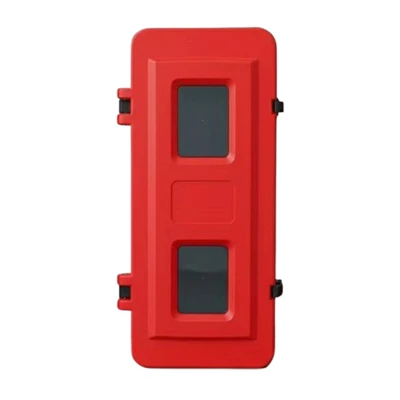
If you’re ready to source certified, high-quality fire blankets for your home, office, or business, or you have questions about which type is right for your space, get in touch with our team to discuss your needs. We can help you choose the right size, rating, and mounting option to keep your space safe for everyone.
CO2 Fire Extinguisher References
NFPA 10: Standard for Portable Fire Extinguishers, National Fire Protection Association
ASTM E160: Standard Test Method for Performance of Fire Blankets, ASTM International
Fire Protection Handbook, 20th Edition, National Fire Protection Association
Shaoxing Weimin Fire Fighting Equipment Co., Ltd.
Shaoxing Weimin Fire Fighting Equipment Co., Ltd. is one of the most professional fire blanket manufacturers and suppliers in China, also supports customized service with low price. Welcome to buy discount fire blanket in stock here and get quotation from our factory. 5 years warranty is available.
Address: CHINA
E-mail: info@weiminfire.com
WebSite: https://www.weiminfire.com/
