Construction waste management is a critical aspect of any building project. As a supplier of construction waste bags, I often get asked about the weight capacity of these bags. It’s a valid question, considering the diverse range of materials that fall under construction waste, from light debris like sawdust to heavy items such as bricks and concrete. In this blog, I’ll delve into the factors that determine how much weight construction waste bags can hold, the different types of bags available, and how to choose the right one for your specific needs. Construction Waste Bags

Factors Affecting Weight Capacity
The weight capacity of construction waste bags is influenced by several key factors. Understanding these factors can help you make an informed decision when selecting the appropriate bag for your construction project.
Material and Thickness
The material used to manufacture the waste bags plays a significant role in determining their weight capacity. Most construction waste bags are made from high – density polyethylene (HDPE) or polypropylene. HDPE bags are known for their strength, durability, and resistance to punctures and tears. The thickness of the bag, typically measured in mils (thousandths of an inch), also affects its load – bearing capacity. Thicker bags can generally hold more weight. For example, a 3 – mil HDPE bag will have a lower weight capacity compared to a 6 – mil HDPE bag.
Design and Construction
The design of the bag, including its shape and the way it is constructed, can impact how much weight it can carry. Bags with reinforced seams and bottoms are more likely to withstand heavier loads. Some bags are designed with gussets, which allow them to expand and hold more waste. Additionally, the closure mechanism of the bag can affect its stability when filled. A well – designed closure, such as a drawstring or a zip – lock, can help keep the contents secure.
Type of Waste
The nature of the construction waste itself is a crucial factor. Light, fluffy materials like insulation or drywall dust will take up more volume but may not weigh as much as dense materials like metal scraps or concrete chunks. Bags that are used to hold heavy, sharp objects need to be more robust to prevent punctures and leaks. For instance, a bag designed to hold bricks will require a higher weight capacity and greater puncture resistance than a bag for collecting wood shavings.
Types of Construction Waste Bags and Their Weight Capacities
There are several types of construction waste bags available on the market, each with its own weight capacity and intended use.
Standard Polyethylene Bags
These are the most common type of construction waste bags. They are typically available in various sizes, ranging from small 20 – gallon bags to large 60 – gallon bags. A standard 30 – gallon polyethylene bag with a thickness of around 3 mils can usually hold up to 50 – 70 pounds of relatively light waste, such as cardboard, plastic, and wood. However, if the waste is heavy or sharp, the weight capacity may be lower to avoid tearing.
Heavy – Duty Construction Bags
Heavy – duty bags are designed to handle more substantial loads. Made from thicker HDPE or polypropylene, these bags can withstand the weight of heavy materials like bricks, concrete, and metal. A heavy – duty 40 – gallon bag with a 6 – mil thickness can hold up to 150 – 200 pounds of dense waste. These bags often have reinforced seams and bottoms to prevent leakage and ensure durability.
Super – Strength Construction Bags
For extremely heavy loads, super – strength construction bags are the ideal choice. These bags are made from high – quality materials and have advanced manufacturing techniques to enhance their strength. A super – strength 50 – gallon bag can hold upwards of 300 pounds of heavy construction waste. They are commonly used in large – scale construction projects where large amounts of heavy debris need to be collected and transported.
Choosing the Right Construction Waste Bag
Selecting the right construction waste bag is crucial to ensure efficient waste management and safety. Here are some tips to help you make the right choice:
Assess the Type of Waste
First, determine the type of waste you will be collecting. If it’s light and fluffy, a standard polyethylene bag may be sufficient. However, if you’re dealing with heavy or sharp materials, opt for a heavy – duty or super – strength bag.
Consider the Volume
Estimate the volume of waste you expect to generate. Choose a bag size that can accommodate the waste without being over – filled. Over – filling a bag can lead to tearing and spillage, which can be a safety hazard.
Evaluate the Weight
Based on the type and volume of waste, calculate the approximate weight. Make sure the bag you choose has a weight capacity that can handle the load. It’s better to choose a bag with a slightly higher weight capacity than you think you’ll need to account for any unexpected heavy items.
Check for Quality
Look for bags that are well – made with strong seams and closures. A high – quality bag will be less likely to tear or leak, even when filled with heavy waste. You can also check for certifications or customer reviews to ensure the bag meets your standards.
Importance of Using the Right Weight – Capacity Bags
Using construction waste bags with the appropriate weight capacity is not only important for efficient waste management but also for safety reasons.
Safety
If a bag is over – filled or cannot handle the weight of the waste, it can tear or burst, leading to spills. Spilled waste can pose a tripping hazard on the construction site, and sharp or heavy materials can cause injuries. By using bags with the correct weight capacity, you can minimize the risk of accidents and ensure a safe working environment.
Efficiency
Properly sized and rated bags can streamline the waste collection process. When bags are filled to their appropriate capacity, fewer bags are needed, reducing the time and effort required for waste collection and disposal. This can lead to cost savings and increased productivity on the construction site.
Environmental Impact
Using the right bags can also have a positive environmental impact. When bags are not over – filled, they are more likely to be transported and disposed of properly. This reduces the risk of waste being scattered during transportation, which can contribute to environmental pollution.
Conclusion
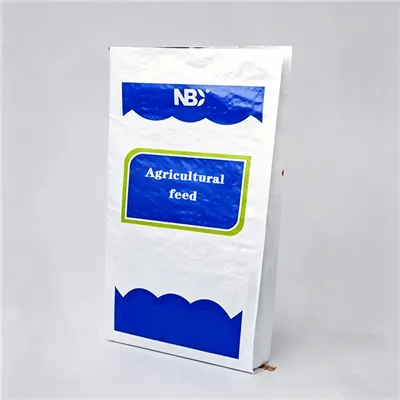
In conclusion, the weight capacity of construction waste bags depends on various factors, including the material, thickness, design, and the type of waste. As a supplier of construction waste bags, I offer a wide range of options to meet the diverse needs of construction projects. Whether you need a standard polyethylene bag for light waste or a super – strength bag for heavy debris, we have the right solution for you.
Woven Polypropylene Feed Bags If you’re planning a construction project and need to manage your waste effectively, I encourage you to get in touch with us. We can help you select the appropriate construction waste bags based on your specific requirements. Our team of experts is ready to provide you with detailed information and support to ensure you make the best choice for your project. Let’s work together to make your construction waste management process efficient, safe, and environmentally friendly.
References
- "Construction Waste Management Handbook" by John Doe
- "Materials Science for Construction" by Jane Smith
- Industry reports on construction waste bag manufacturing and performance.
Liaoning Xunlian Packaging Products Co., Ltd.
Liaoning Xunlian Packaging Products Co., Ltd. is one of the most professional construction waste bags manufacturers and suppliers in China, featured by quality products and good service. Welcome to wholesale CE approved construction waste bags made in China here and get quotation from our factory. Customized orders are welcome.
Address: Chaoyang Industrial Park, Kangping, Shenyang, Liaoning, China.
E-mail: info@xunlianpack.com
WebSite: https://www.xunlianpack.com/
