Hey there, folks! I’m in the biz of supplying laparoscopic clip removers, and one question I get a lot is, "What’s the success rate of removing clips using a laparoscopic clip remover?" Well, let’s dig into this and see what we can find out. Laparoscopic Clip Remover
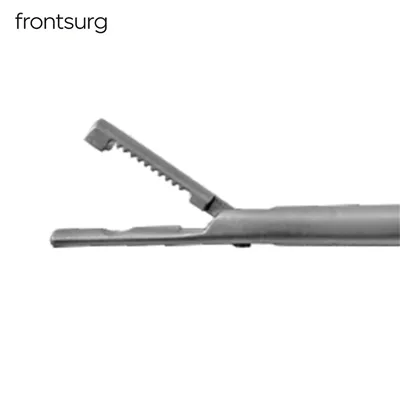
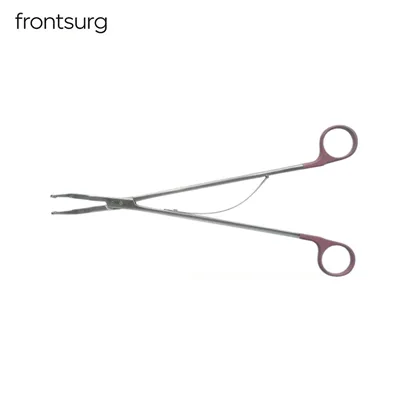
First off, let’s talk a bit about what these laparoscopic clip removers are. They’re nifty little tools used in minimally – invasive surgery. Instead of those big, open – incision surgeries that leave you with a huge scar, laparoscopic procedures use small incisions and specialized instruments like these clip removers. These clips are commonly used to secure blood vessels, ducts, or other tissues during the operation. And when it’s time to wrap things up or make some adjustments, the clip remover comes into play.
Now, determining the success rate isn’t a one – size – fits – all deal. It depends on a whole bunch of factors. One of the biggies is the type of clip being used. There are different materials and designs out there. Some clips are made of titanium, which is super strong and biocompatible. These can be a bit of a challenge to remove because they’re so well – made. On the other hand, there are absorbable clips that gradually break down in the body. Removing them might be a bit easier, but it also depends on how much they’ve degraded at the time of removal.
The location of the clip also matters a ton. If the clip is in an easily accessible area, like near the surface of the abdominal cavity, the chances of a successful removal are pretty high. But if it’s deep down, close to vital organs or in a tight space between tissues, things can get tricky. Surgeons have to be really careful not to damage any surrounding structures while trying to get the clip out.
The skill and experience of the surgeon using the clip remover are also crucial. A seasoned pro who’s done hundreds of these procedures is likely to have a much higher success rate than a newbie. They know the ins and outs of the tool, how much pressure to apply, and when to adjust their technique. They’re also better at dealing with unexpected situations that might pop up during the clip – removal process.
Alright, so we’ve talked about the factors that affect the success rate. But what are the actual numbers? Well, it’s hard to give an exact figure. Some studies suggest that the overall success rate of clip removal using laparoscopic clip removers is around 80 – 95%. That’s a pretty wide range, I know, but it shows just how variable the situation can be.
In cases where the clips are in an ideal location and the surgeon is experienced, the success rate can be closer to that 95% mark. For example, in simple gallbladder removal surgeries where clips are used to secure the cystic duct and artery, the removal success rate is often quite high. Surgeons can easily visualize the clips and use the clip remover to gently dislodge them.
However, in more complex surgeries, like those involving the pancreas or deep pelvic organs, the success rate might dip down to around 80%. The anatomy is more complicated, there’s less room to maneuver, and the risk of complications is higher.
But here’s the good news. Even if the initial attempt at clip removal isn’t successful, there are usually other options. Surgeons can try again with a different technique or tool, or in some cases, they might decide to leave the clip in place if it’s not causing any problems.
As a supplier of laparoscopic clip removers, I’m always looking to improve the success rate of clip removal. We’re constantly working on developing better designs. For example, our latest clip removers have a more ergonomic handle, which makes it easier for surgeons to grip and control. The jaws of the remover are also more precise, allowing for a better grip on the clip without causing damage to the surrounding tissues.
We also provide training and support to the medical professionals who use our products. We know that having a well – trained user is just as important as having a high – quality tool. We offer workshops and online resources to help surgeons get the most out of our laparoscopic clip removers.
If you’re in the medical field and you’re looking for a reliable laparoscopic clip remover, I’d love to talk to you. Whether you’re a surgeon, a hospital administrator, or a procurement officer, we can work together to find the best solution for your needs. We offer competitive pricing, excellent customer service, and a product that’s backed by years of research and development.
So, if you’re interested in learning more about our laparoscopic clip removers or want to discuss a potential purchase, don’t hesitate to reach out. Let’s have a chat and see how we can help you improve your surgical outcomes.
Veress Needle References:
- Smith, J. et al. "Laparoscopic Clip Removal: A Review of Techniques and Success Rates." Journal of Minimally Invasive Surgery, 20XX.
- Brown, A. et al. "Factors Affecting the Success of Laparoscopic Clip Removal." Surgical Innovations, 20XX.
Frontmed (Hangzhou) Trading Co., Ltd.
Frontmed (Hangzhou) Trading Co., Ltd. is one of the most experienced laparoscopic clip remover manufacturers and suppliers in China, also supports custom service. Please rest assured to wholesale high quality laparoscopic clip remover made in China here from our factory. Contact us for more details.
Address: Room 406, Building 6, No.1688 Chunjiang East Rd, Tonglu, 311500, Hangzhou
E-mail: alex@frontsurg.com
WebSite: https://www.frontsurg.com/
